
The Historic, Commercial, and Cultural Heart of Nairobi City
The Nairobi CBD is the geographic, economic, and historical core of Nairobi. More than a financial center, Nairobi CBD is where the city began, where its institutions were built, and where everyday urban life unfolds at full intensity.
For visitors using NairobiKenya.org, Nairobi CBD is not just a place to pass through—it is a destination that reveals Old Nairobi, colonial legacies, modern Kenyan identity, commerce, protest, faith, architecture, and daily rhythms all at once.
Where Nairobi CBD Is Located
Nairobi CBD sits at the center of the metropolitan area and is defined by:
- Uhuru Highway to the south
- Murang’a Road and Ngara to the north
- Westlands direction to the west
- Industrial Area direction to the east
It is the most walkable part of Nairobi and the best place to understand the city’s foundations.
Why Nairobi CBD Matters
Nairobi CBD is important because it:
- Marks the original colonial city footprint
- Houses national political and civic institutions
- Serves as Kenya’s primary commercial hub
- Connects transport networks across the country
- Reflects social, economic, and political change
To understand Nairobi, you must understand its CBD.
A Brief History of Nairobi CBD
Railway Origins
Nairobi CBD emerged directly from the construction of the Uganda Railway in 1899. The railway depot, yards, and administrative buildings formed the nucleus of what became the city center.
Colonial Planning
During the colonial period, the CBD was:
- A European administrative zone
- Commercial center dominated by Asian traders
- Strictly regulated by race and function
Many of today’s streets, plots, and buildings date from this era.
Post-Independence Transformation
After 1963:
- African ownership and entrepreneurship expanded
- National institutions took prominence
- Public spaces became sites of political expression
The CBD evolved into a truly Kenyan urban space.
Key Landmarks & Institutions in Nairobi CBD
4
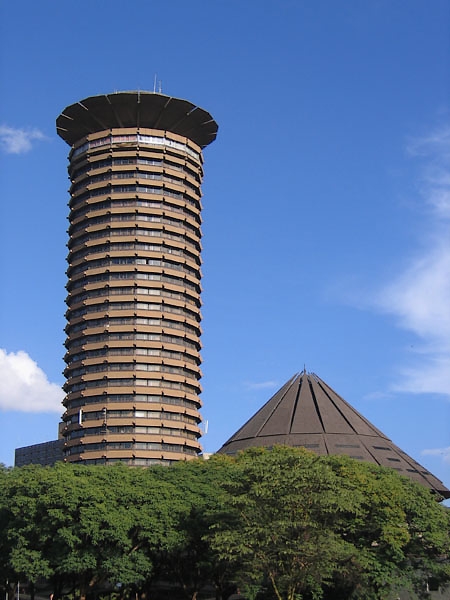
Kenyatta International Convention Centre (KICC)
Kenyatta International Convention Centre is one of Nairobi’s most recognizable landmarks and a symbol of post-independence Kenya.
- Built in the 1970s
- Offers panoramic views from its rooftop
- Hosts international conferences and events
Parliament Buildings
Parliament Buildings house Kenya’s National Assembly and Senate, making the CBD the center of national governance.
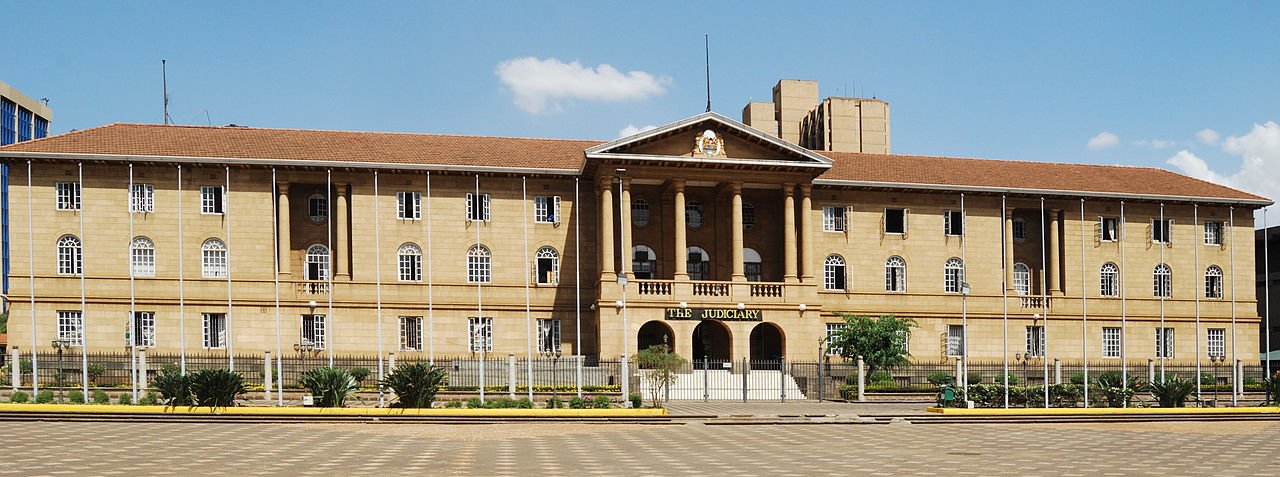
Supreme Court & Judiciary Complex
The presence of the Supreme Court of Kenya reinforces the CBD’s role as the legal heart of the country.
Nairobi City Hall
Nairobi City Hall represents local governance and urban administration.
Streets That Define Nairobi CBD
Certain streets define the character of the CBD:
- Kenyatta Avenue – ceremonial, historic, and green
- Moi Avenue – commercial spine and pedestrian activity
- Tom Mboya Street – retail, transport, and everyday Nairobi
- Haile Selassie Avenue – link between rail, industry, and commerce
Each street reflects a different layer of Nairobi’s identity.
Markets & Commerce

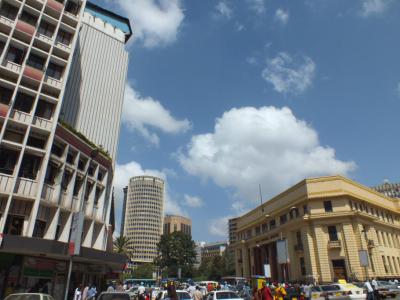

City Market
City Market Nairobi is one of the CBD’s most important landmarks, offering:
- Fresh produce
- Meat and spices
- Crafts and souvenirs
It has served Nairobi residents for decades and remains central to daily life.
Retail & Informal Trade
The CBD is Nairobi’s busiest retail zone, blending:
- Formal shops and malls
- Street vendors and hawkers
- Wholesale and small-scale trade
This mix makes the CBD vibrant, intense, and authentic.
Public Spaces & Green Areas
Uhuru Park
Uhuru Park is Nairobi’s most symbolic public park, associated with:
- Independence celebrations
- Political rallies and protests
- Everyday leisure
It represents civic space and democratic expression.
Central Park
Located next to Uhuru Park, Central Park connects green space with city life and daily commuting.
Faith, Culture & Everyday Life


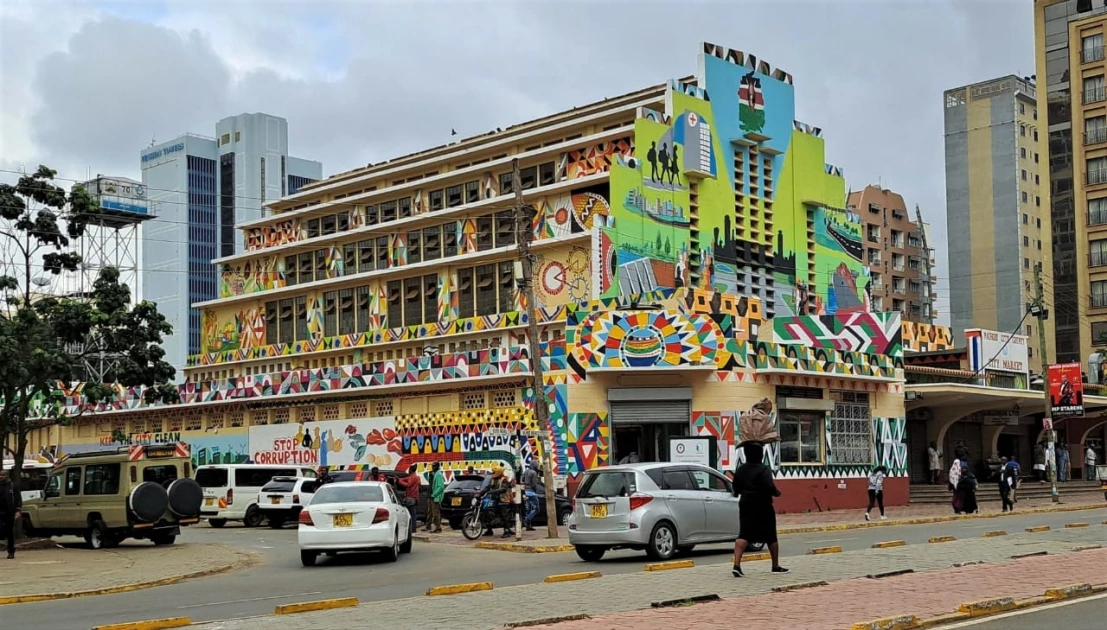
Nairobi CBD is also a center of faith and social life.
Key sites include:
- Holy Family Basilica
- Jamia Mosque
These institutions serve thousands daily and reflect Nairobi’s religious diversity.
Architecture & Urban Character
The CBD showcases multiple architectural eras:
- Colonial-era buildings
- Post-independence modernism
- Contemporary high-rise towers
This layered architecture tells Nairobi’s story visually.
Transport Hub of the City
Nairobi CBD is the city’s main transport node:
- Commuter rail connections
- Bus and matatu termini
- Easy access to all city directions
Understanding the CBD helps visitors navigate Nairobi as a whole.
Safety & Practical Visiting Tips
The CBD is busy and functional but requires awareness.
Tips for Visitors
- Visit during daylight hours
- Walk with purpose and awareness
- Avoid displaying valuables
- Use guided walking tours for first visits
With basic precautions, the CBD is safe and rewarding.
Best Way to Experience Nairobi CBD
The best way to understand the CBD is on foot, ideally through:
- Guided historical walking tours
- Market and street-life explorations
- Architecture and heritage routes
Walking reveals details that vehicles miss.
Who Should Visit Nairobi CBD?
- First-time visitors to Nairobi
- History and urban culture enthusiasts
- Travelers interested in Old Nairobi
- Anyone wanting to see real city life
The CBD shows Nairobi as it truly is.
Nairobi CBD vs Other Nairobi Areas
| Area | Character |
|---|---|
| Nairobi CBD | Historic, commercial, civic |
| Westlands | Entertainment and nightlife |
| Karen | Suburban and heritage |
| Upper Hill | Corporate and institutional |
The CBD remains the city’s anchor.
Why NairobiKenya.org Recommends Nairobi CBD
Nairobi CBD aligns perfectly with NairobiKenya.org’s mission:
- Preserving Old Nairobi narratives
- Explaining how the city works
- Encouraging meaningful, informed exploration
- Connecting history with present-day life
It is where Nairobi’s past and present meet most clearly.
Common Visitor Questions (FAQs)
Is Nairobi CBD worth visiting?
Yes. It is essential for understanding Nairobi.
Is it safe for tourists?
Yes, with daytime visits and basic awareness.
How long should I spend there?
2–4 hours is ideal for walking and exploration.
Do I need a guide?
Not required, but highly recommended for context.
Final Thoughts: Why Nairobi CBD Matters
Nairobi CBD is not polished or quiet—but it is real. It is where Nairobi began, where it governs itself, and where millions earn a living every day. It reflects Kenya’s struggles, ambitions, diversity, and resilience.
To visit Nairobi without seeing the CBD is to miss the soul of the city.