
Literature, Colonial History, and the Making of Modern Nairobi
The Karen Blixen Museum is one of Nairobi’s most culturally significant attractions and a core recommended destination by NairobiKenya.org. Located at the foot of the Ngong Hills in the leafy suburb of Karen, the museum offers visitors a rare opportunity to step inside one of Nairobi’s most influential historical landscapes—where literature, colonial history, agriculture, and early Nairobi life intersect.
More than a literary site, the Karen Blixen Museum helps explain how Nairobi’s southern suburbs developed, how colonial-era farming shaped land use, and why the area of Karen looks and feels so different from the rest of the city today.
What Is the Karen Blixen Museum?
The Karen Blixen Museum is the preserved former home of Karen Blixen, the Danish author best known for her memoir Out of Africa.
The farmhouse dates back to 1912 and was once part of a large coffee plantation on the outskirts of what was then a very small Nairobi. Today, it is managed by the National Museums of Kenya and functions as a national monument and museum.
Location & Setting: Karen at the Edge of Old Nairobi
The museum sits in Karen, a suburb named after Karen Blixen herself, on gently sloping land facing the Ngong Hills.
The setting is significant because:
- It reflects early European farming zones outside Nairobi
- It explains the low-density, green character of Karen today
- It preserves views that appear directly in Out of Africa
The surrounding landscape is as much a part of the experience as the house itself.
The Story Behind the House
Karen Blixen and Colonial Kenya
Karen Blixen arrived in British East Africa in 1914 and lived on the property until 1931. During this period:
- The area was remote farmland, not suburbia
- Nairobi was still a small colonial town
- Coffee farming was central to the colonial economy
Her time in Kenya coincided with major changes in land ownership, labor systems, and settlement patterns that shaped modern Nairobi.
Inside the Museum: What Visitors See
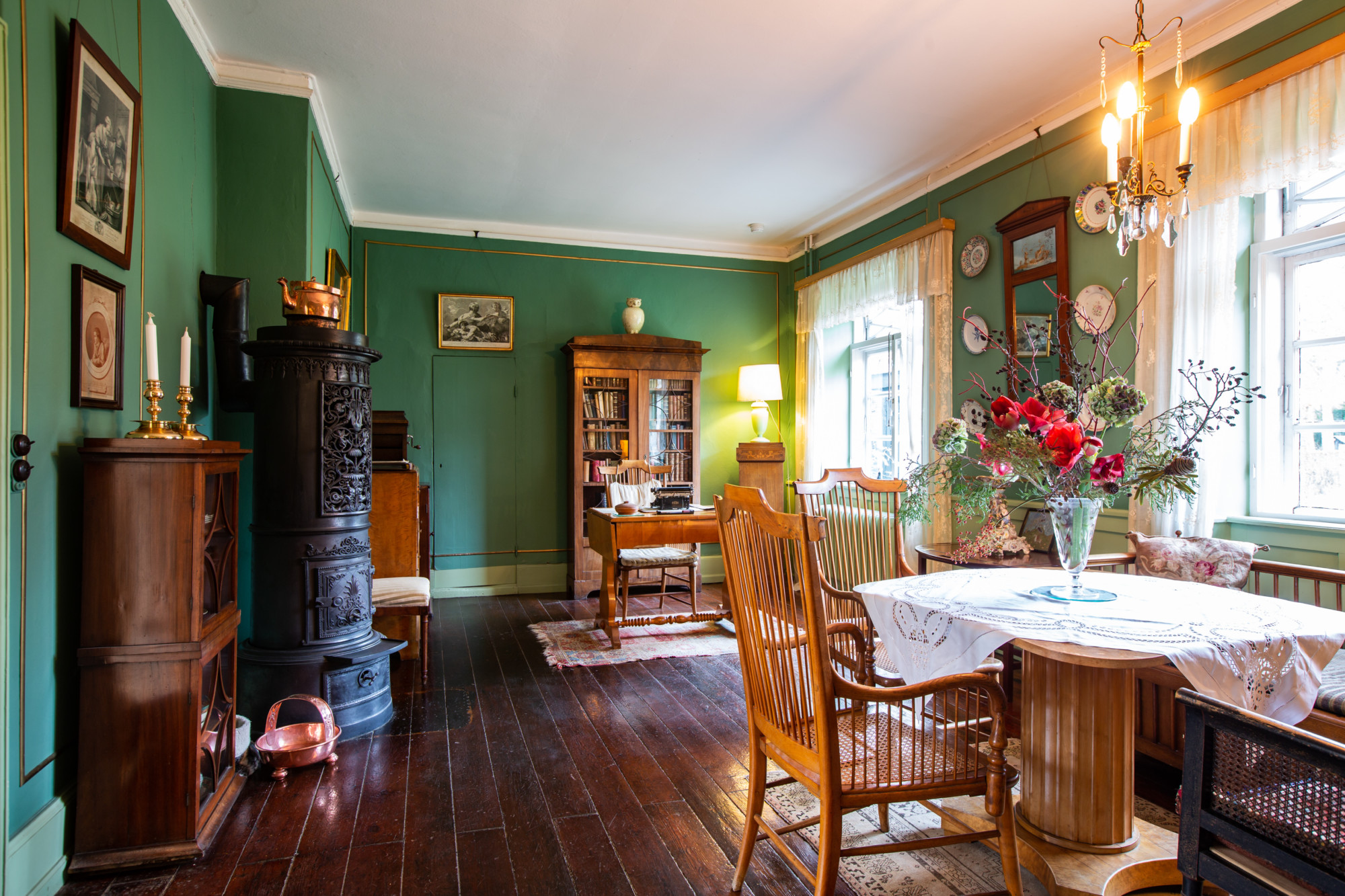
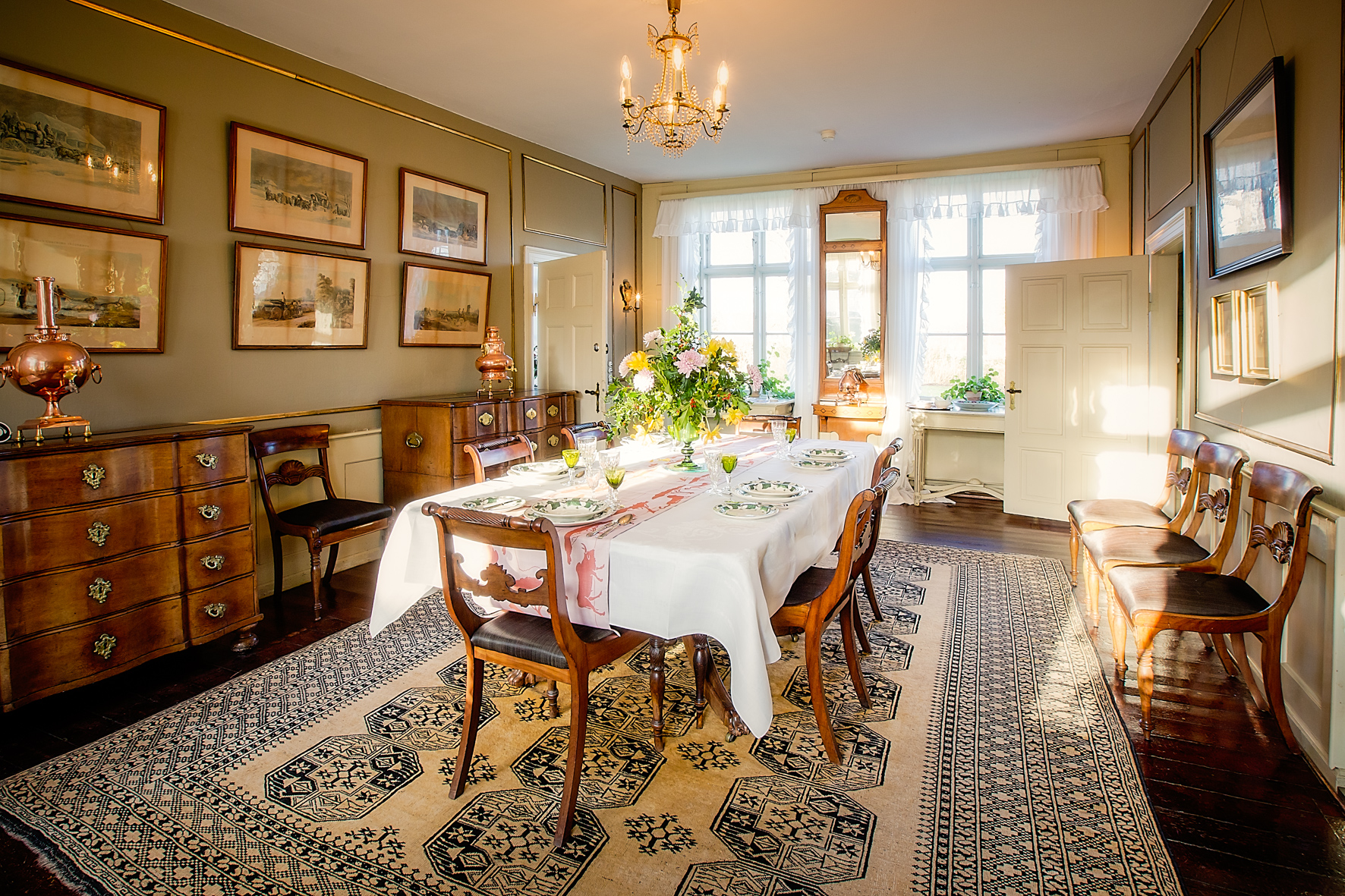
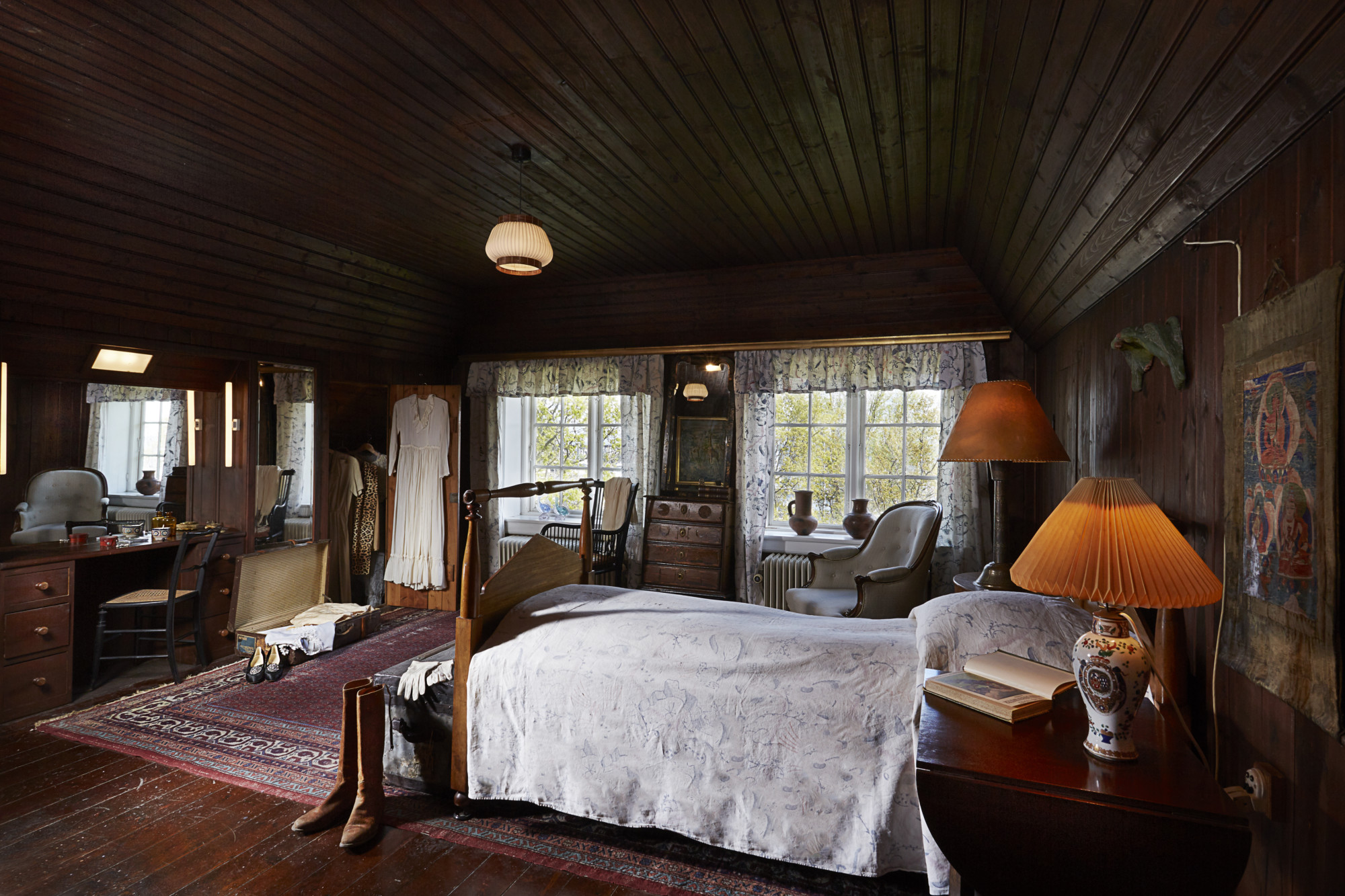
4
The house has been carefully preserved and furnished to reflect the period.
Interior Rooms
Visitors can explore:
- Living and dining rooms
- Bedrooms and study areas
- Original and period-appropriate furniture
Many items relate directly to Blixen’s life, writing, and daily routines.
Artifacts & Exhibits
The museum displays:
- Personal belongings
- Farming and household tools
- Historical photographs
- Interpretive panels explaining colonial life
These exhibits help place Blixen’s story within broader Kenyan and Nairobi history.
Out of Africa: Literature Meets Landscape
Out of Africa is inseparable from the physical environment around the house.
The museum experience connects:
- Specific rooms to scenes from the book
- The Ngong Hills to literary imagery
- Farming life to colonial-era realities
Even visitors unfamiliar with the book gain insight into why the work became so influential—and controversial.
Gardens & Grounds
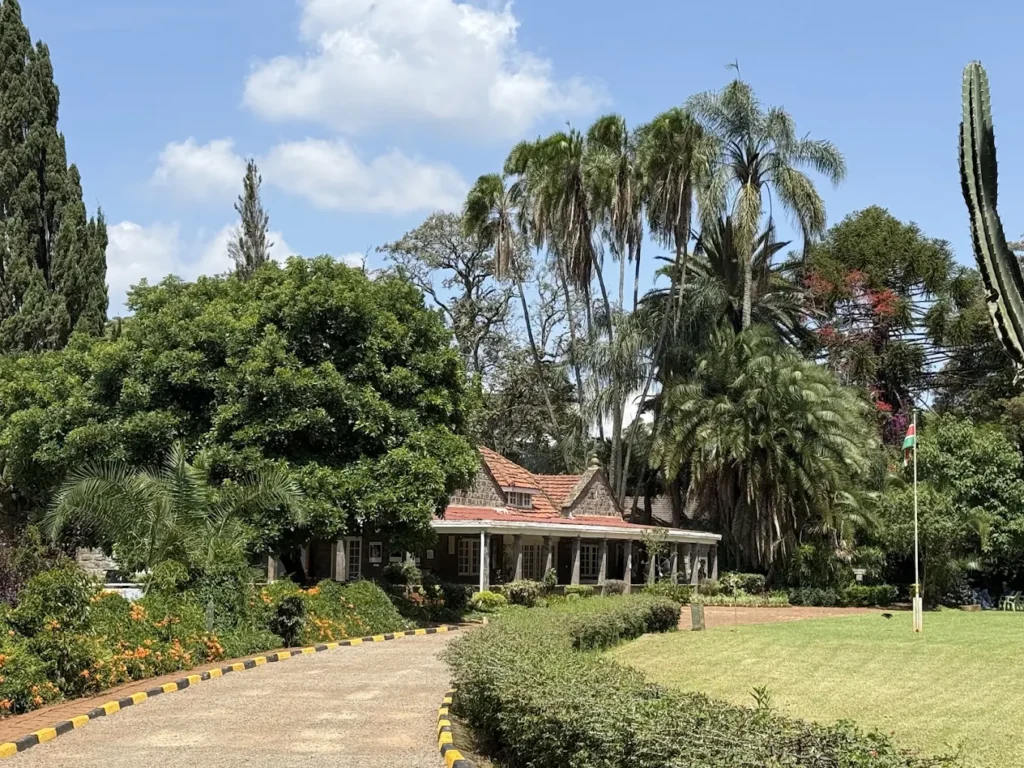

The museum grounds are an essential part of the visit.
What You’ll Experience
- Manicured lawns and mature trees
- Open views toward the Ngong Hills
- Quiet walking paths and photo points
The grounds illustrate the scale of early colonial farms and the relationship between landscape and settlement.
Historical Context: Beyond Romance
While often associated with romantic imagery, the museum also raises important questions about:
- Colonial land appropriation
- African labor systems
- Power and inequality
- Environmental change
A visit is most rewarding when seen as both a literary site and a historical lens on Kenya’s past.
How the Museum Explains Modern Karen & Southern Nairobi
The Karen Blixen Museum helps visitors understand:
- Why Karen is low-density and green
- Why large plots dominate the area
- Why conservation sites cluster nearby
- How colonial land use shaped suburban Nairobi
It is a key piece in understanding Nairobi’s spatial history.
How Long to Spend at the Karen Blixen Museum
Most visitors spend:
- 45 minutes to 1.5 hours
The visit pairs well with:
- Nearby conservation attractions
- A relaxed lunch in Karen
- A half-day southern Nairobi itinerary
Best Time to Visit
- Morning or early afternoon for softer light
- Weekdays for fewer crowds
- Clear days for the best Ngong Hills views
The museum is open year-round.
Who Should Visit the Karen Blixen Museum?
Literature & Film Enthusiasts
A must-visit for readers of Out of Africa.
History & Culture Travelers
Provides deep insight into Nairobi’s colonial foundations.
First-Time Visitors to Nairobi
Helps contextualize the city’s southern suburbs.
Slow Travelers
Ideal for reflective, unhurried exploration.
Karen Blixen Museum Compared to Other Nairobi Attractions
| Attraction | Focus |
|---|---|
| Karen Blixen Museum | Literature & colonial history |
| Nairobi National Museum | National culture & science |
| Nairobi Railway Museum | Nairobi’s founding |
| Karen Nature Sites | Landscape & conservation |
The Karen Blixen Museum provides narrative and place-based history.
Practical Visitor Tips
Visitors should:
- Read a short summary of Out of Africa beforehand
- Take time in the gardens, not just the house
- Ask guides questions for deeper context
- Combine with nearby attractions for a full experience
Photography is allowed in designated areas; follow museum rules.
Why NairobiKenya.org Recommends the Karen Blixen Museum
This site aligns strongly with NairobiKenya.org’s mission to:
- Preserve and interpret Old Nairobi
- Showcase how landscape, culture, and history intersect
- Encourage thoughtful, informed travel
- Go beyond surface-level attractions
It offers insight into how Nairobi’s identity was written into its land.
Common Visitor Questions (FAQs)
Is the Karen Blixen Museum worth visiting?
Yes, especially for history and literature enthusiasts.
Do I need to have read Out of Africa?
No, but familiarity enhances the experience.
Is it suitable for children?
Better for older children and teens.
How long does the visit take?
About 1 hour for most visitors.
Can I combine it with other attractions?
Yes, it fits perfectly into a southern Nairobi itinerary.
Final Thoughts: Why This Place Endures
The Karen Blixen Museum is not just about one author—it is about how stories, landscapes, and power shape cities. It helps visitors understand why Nairobi expanded the way it did and why certain parts of the city still feel rooted in a different era.
For anyone interested in Old Nairobi, literature, and the making of modern Kenya, this museum is an essential stop.