
Where Nairobi City Began and Kenya’s Story of Movement, Empire, and Modernity Unfolds
The Nairobi Railway Museum is one of the most historically significant yet often overlooked attractions in Nairobi. More than a collection of old trains, the museum tells the origin story of Nairobi itself, explaining how a remote swampy outpost became Kenya’s capital through the construction of the railway.
For NairobiKenya.org—a platform dedicated to Old Nairobi history, urban identity, and meaningful travel—the Nairobi Railway Museum is an essential recommended visit.
Why the Nairobi Railway Museum Matters
Nairobi exists because of the railway.
The city was founded in 1899 as a rail depot during the construction of the Uganda Railway, built by the British to connect the port of Mombasa to Lake Victoria. Without the railway, Nairobi would not exist where it does—or perhaps at all.
The museum preserves this story through:
- Historic locomotives and carriages
- Engineering artifacts
- Photographs and documents
- Personal stories of builders, workers, and early settlers
It is the most direct way to understand how Nairobi was born.
Location & Setting
The Nairobi Railway Museum is located just south of Nairobi’s Central Business District, adjacent to the old railway yards and close to:
- Nairobi Railway Station
- Uhuru Highway
- Key government and civic buildings
Its location is not accidental—you are standing at the physical birthplace of Nairobi City.
What You’ll See at the Nairobi Railway Museum

4
Historic Locomotives & Rolling Stock
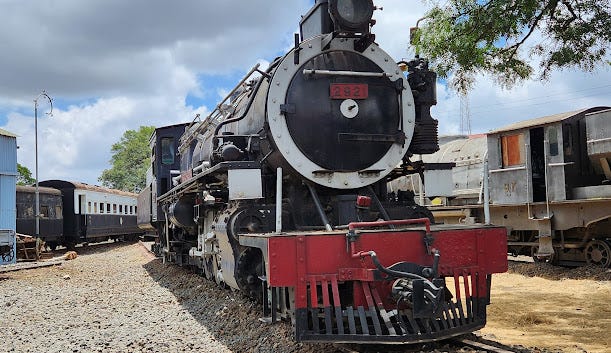
The museum’s outdoor yard contains:
- Steam locomotives from the early 20th century
- Passenger coaches used during colonial rule
- Freight wagons that carried supplies inland
These massive machines illustrate the scale and ambition of railway construction across East Africa.
The “Lunatic Express” Story
One of the museum’s central narratives is the construction of the Uganda Railway—often nicknamed the Lunatic Express due to:
- Extreme terrain
- Dangerous wildlife
- High human cost
- Enormous expense
Exhibits explain:
- Why the railway was built
- How it was engineered
- The challenges faced by workers
- Its political and economic motivations
This context helps visitors understand both colonial ambition and its lasting consequences.
The Royal Carriages
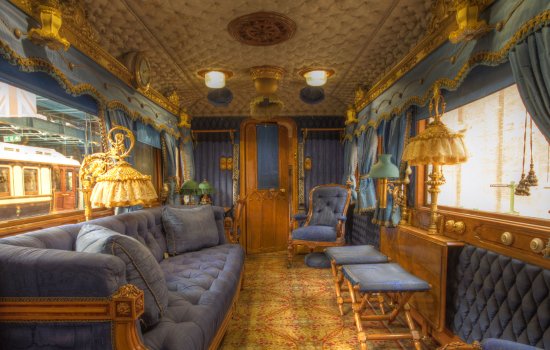
A highlight for many visitors is the display of royal and VIP carriages, including those used by British royalty during visits to Kenya.
These carriages provide insight into:
- Colonial power structures
- Travel and luxury in the early 1900s
- How railways symbolized authority and control
Tools, Artifacts & Archival Material
Inside the galleries, visitors can explore:
- Railway tools and signaling equipment
- Maps and construction diagrams
- Black-and-white photographs of early Nairobi
- Personal items belonging to railway staff
Together, these exhibits humanize a story often told only through infrastructure.
The People Behind the Railway
The museum also highlights the diverse communities involved in railway construction:
- Indian laborers and engineers
- African workers and porters
- British administrators
Their combined efforts—and sacrifices—laid the foundations for modern Nairobi and Kenya’s transport network.
How the Railway Shaped Nairobi’s Urban Form
A visit to the museum explains many features of Nairobi that still exist today:
- Why the CBD developed where it did
- Why certain neighborhoods emerged along rail lines
- Why Nairobi became the capital instead of other towns
- How transport corridors shaped land use and inequality
This makes the museum especially valuable for visitors interested in urban history and city planning.
How Long to Spend at the Museum
Most visitors spend:
- 45 minutes to 1.5 hours on-site
The museum is compact but dense with information, making it ideal to combine with:
- A CBD walking tour
- Visits to nearby historical landmarks
- Other city museums
Best Time to Visit
- Morning or early afternoon is best
- Weekdays are quieter than weekends
- The outdoor exhibits are easier to explore in dry weather
The museum is suitable year-round.
Who Should Visit the Nairobi Railway Museum?
History & Culture Enthusiasts
This is one of Nairobi’s most historically important sites.
First-Time Visitors Wanting Context
It explains why Nairobi exists before you explore the rest of the city.
Students & Researchers
A valuable introduction to colonial infrastructure and urban development.
Travelers Interested in “Old Nairobi”
Few places capture early Nairobi more directly.
Nairobi Railway Museum Compared to Other Attractions
| Attraction | What It Explains |
|---|---|
| Nairobi Railway Museum | How Nairobi was founded |
| Nairobi National Museum | Kenya’s broader cultural story |
| Nairobi National Park | Wildlife and conservation |
| City Walking Tours | Everyday urban life |
The Railway Museum provides the starting chapter of Nairobi’s story.
Practical Visitor Tips
Visitors should:
- Wear comfortable shoes (outdoor exhibits)
- Take time to read display notes
- Ask staff questions—knowledgeable guides are often available
- Combine the visit with nearby attractions
Photography is generally allowed; follow posted guidelines.
Why NairobiKenya.org Recommends the Nairobi Railway Museum
This museum aligns perfectly with NairobiKenya.org’s mission to:
- Preserve and interpret Old Nairobi history
- Help visitors understand how the city came to be
- Highlight overlooked but meaningful sites
- Encourage thoughtful, contextual travel
It reminds visitors that Nairobi did not grow organically—it was engineered, and that legacy still shapes the city today.
Common Visitor Questions (FAQs)
Is the Nairobi Railway Museum worth visiting?
Yes, especially for understanding Nairobi’s origins.
Is it suitable for children?
Yes, particularly older children interested in trains and history.
How long does a visit take?
About 1 hour for most visitors.
Is it easy to reach?
Yes, it is centrally located near the CBD.
Do I need a guide?
Not required, but guides add valuable historical context.
Final Thoughts: Why This Museum Is Essential
The Nairobi Railway Museum is where Nairobi’s story begins—with steel tracks, steam engines, and global ambition. It explains how movement created a city, how infrastructure shaped society, and why Nairobi looks and functions the way it does today.
For visitors who want more than surface-level sightseeing, this museum offers depth, context, and clarity—making it one of Nairobi’s most important places to visit.