
A Comprehensive Guide to Daily Life, Housing, Cost of Living, Work, Family Life, and Expat Experience
Living in Nairobi is not defined by a single lifestyle. It is defined by alignment—between where you live, how you move, what you value, and how you structure your days. Nairobi can feel overwhelming or deeply livable depending on these choices.
This guide is written to answer all practical questions about living in Nairobi City, whether you are relocating, staying long-term, raising a family, working remotely, or considering Nairobi as a base in East Africa.
What Daily Life in Nairobi City Is Really Like
Nairobi is a city of contrasts and routines:
- Fast-paced weekdays, slower weekends
- Early mornings to avoid traffic
- Strong neighborhood-based living
- A blend of modern convenience and informal systems
People who thrive in Nairobi typically organize life around zones, not the whole city—living, working, schooling, socializing, and exercising within manageable distances.
Housing in Nairobi City: Types, Locations, and Costs



4
Common Housing Types
Nairobi offers a wide range of housing options:
- Apartments (low-rise and high-rise)
- Standalone houses
- Townhouses and duplexes
- Gated communities
- Serviced apartments (short- and medium-term)
Housing quality and price vary dramatically by neighborhood, building age, and amenities.
Choosing Where to Live
Key factors residents consider:
- Distance and direction to work or school (more important than kilometers)
- Access to green space
- Noise levels and density
- Security and building management
- Budget and service charges
Many residents choose housing primarily to minimize commute time, even if that means smaller living space.
Cost of Housing
Housing is typically the largest expense when living in Nairobi City.
General cost drivers include:
- Neighborhood and zoning
- Size and building quality
- Security and shared amenities
- Furnished vs unfurnished units
Serviced apartments and gated communities cost more but offer convenience and predictability, especially for newcomers.
Cost of Living in Nairobi City


4
Is Nairobi Expensive?
The honest answer: it depends on lifestyle.
Nairobi can be:
- Affordable with local living choices
- Expensive with international standards and imported habits
Main Monthly Expense Categories
- Rent and utilities
- Transport
- Food and groceries
- School fees (if applicable)
- Healthcare and insurance
- Dining, fitness, and leisure
Cost-Saving Realities
- Local produce is affordable
- Eating local reduces costs significantly
- Transport costs are manageable with planning
- Imported goods and private schools increase expenses sharply
Education and Schools in Nairobi City



4
Education is one of the most important factors for families choosing where to live.
School Options
- Public schools
- Private Kenyan curriculum schools
- International schools (various curricula)
- Universities and colleges
How Families Choose Schools
Key considerations include:
- Commute time (critical)
- Curriculum compatibility
- Class size and facilities
- Extracurricular activities
In many cases, school choice determines housing location, not the other way around.
Healthcare in Nairobi City



Nairobi has one of the strongest healthcare systems in the region.
Healthcare Options
- Large private hospitals
- Specialized clinics
- Public hospitals
- Pharmacies widely available
Practical Guidance
- Private healthcare is preferred for most residents
- Health insurance is strongly recommended
- Emergency care is generally reliable in private facilities
Nairobi is also a regional hub for medical tourism, particularly for diagnostics and specialist treatment.
Work Culture and Professional Life in Nairobi



4
Nairobi City is East Africa’s professional and innovation center.
Work Culture Characteristics
- Relationship-driven interactions
- Meetings are important and frequent
- Formality varies by sector
- Punctuality is valued, but flexibility is common
Major Employment Sectors
- Technology and fintech
- Finance and professional services
- NGOs and international organizations
- Manufacturing and logistics
- Creative industries
Coworking and Remote Work in Nairobi
Remote work and flexible working arrangements are well established.
Coworking Options
- Dedicated coworking hubs
- Café-based work culture
- Serviced offices
What to Expect
- Generally reliable internet
- Backup power common in professional spaces
- Strong networking opportunities
Nairobi is increasingly popular with remote workers and digital professionals who want urban life with access to nature.
Transport and Daily Commuting
Daily routines in Nairobi are shaped by movement.
Key realities:
- Traffic direction matters more than distance
- Leaving early saves time
- Avoid cross-city trips during rush hour
- Ride-hailing simplifies daily movement
Most long-term residents choose housing specifically to reduce commute stress.
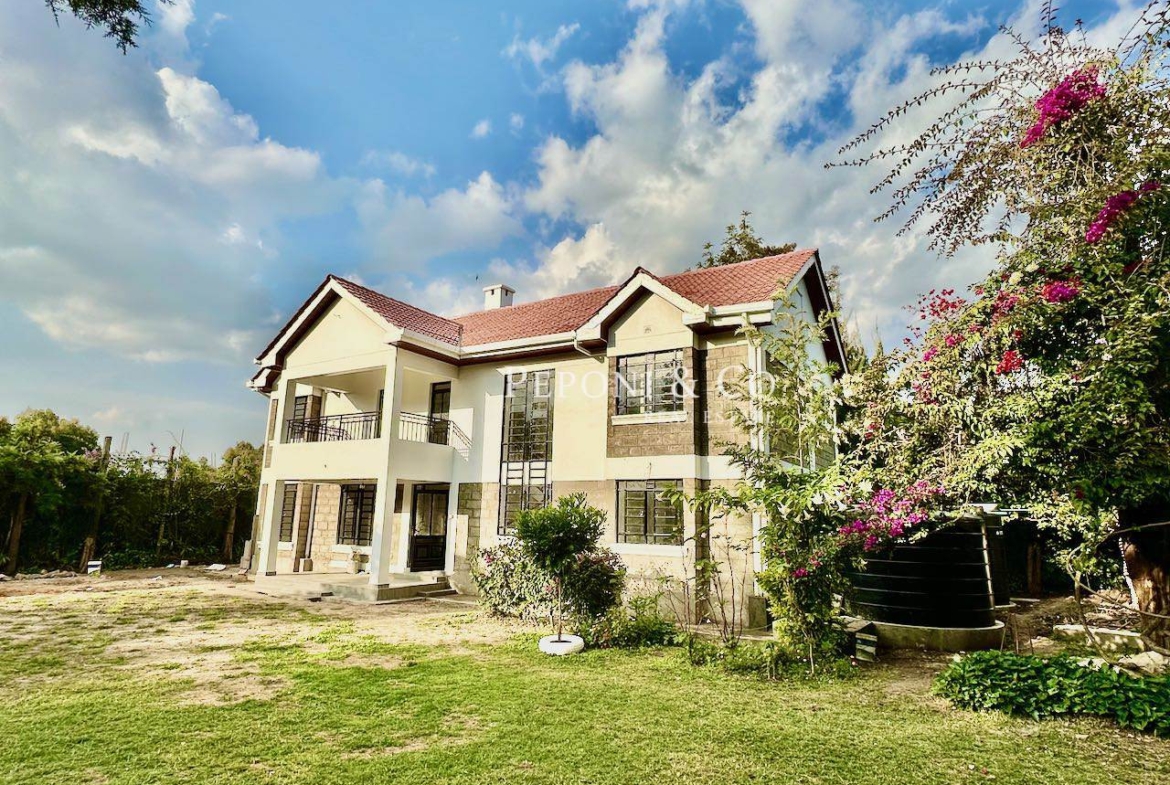
Family Life in Nairobi City


4
Is Nairobi Good for Families?
Yes—with the right setup.
Families value Nairobi for:
- School choice and quality
- Access to healthcare
- Green spaces and outdoor activities
- Community networks
Family life tends to be:
- Neighborhood-centered
- Structured around schools and activities
- Social but home-focused
Living in Nairobi as a Foreigner or Expat
Nairobi has a large and established international community.
Can Foreigners Live Comfortably in Nairobi?
Yes. Many do so long-term.
Why Expats Stay
- Professional opportunities
- Quality of life when well-organized
- Cultural richness
- Access to nature and travel
Adjustment Timeline
Most newcomers feel settled within:
- 1–2 months for logistics
- 2–3 months for routines
- 3–6 months for community integration
Social Life and Community
Social life in Nairobi revolves around:
- Cafés and restaurants
- Homes and small gatherings
- Faith communities
- Sports and wellness groups
- Professional networks
Friendships often form through:
- Work
- Schools
- Shared interests
- Neighborhood activities
Safety and Comfort in Daily Living
Safety in Nairobi is contextual, not uniform.
Everyday Safety Practices
- Use ride-hailing at night
- Be discreet with valuables
- Ask locals for neighborhood-specific advice
- Choose housing with appropriate security
Most residents feel safe within their regular routines and areas.
Old Nairobi Values and Modern Living
Old Nairobi emphasized:
- Walkability
- Community institutions
- Proximity to green space
- Clear separation of work and home
Residents who recreate these patterns—by choosing the right neighborhood and pace—often find Nairobi deeply livable.
FAQs: Living in Nairobi City
Is Nairobi expensive to live in?
It depends on lifestyle. Housing, schools, and imported goods drive costs more than daily essentials.
Is Nairobi good for families?
Yes, particularly for families prioritizing education, healthcare, and outdoor space.
Can foreigners live comfortably in Nairobi?
Yes. Nairobi is one of Africa’s most expat-friendly cities.
How reliable are utilities?
Generally reliable, though occasional outages occur. Backup power and water are common in many buildings.
Is healthcare good in Nairobi?
Yes. Private healthcare is strong and widely used.
How long does it take to adjust to life in Nairobi?
Most people adjust within two to three months.
Why Living Well in Nairobi City Is About Alignment
Nairobi City rewards intentional living. When location, routine, and expectations align, the city becomes:
- Social
- Green
- Opportunity-rich
- Deeply engaging