
How Nairobi Became East Africa’s Economic Engine and “Silicon Savannah”
Nairobi is not only Kenya’s political capital—it is the economic, financial, and innovation heart of East Africa. From multinational headquarters and regional banks to tech startups, NGOs, and creative enterprises, Nairobi City concentrates economic power and experimentation in a way unmatched elsewhere in the region.
This comprehensive guide explains how Nairobi City’s economy works, why it matters regionally, and how its key sectors interact to drive growth, opportunity, and influence—answering the most common questions asked by investors, professionals, entrepreneurs, researchers, and visitors.
Why Nairobi City Dominates East Africa’s Economy
Nairobi’s economic leadership is the result of several reinforcing factors:
- Central geographic position in East Africa
- Early investment in infrastructure and education
- Political and administrative centrality
- Strong transport and aviation links
- Concentration of talent and institutions
As a result, Nairobi functions as:
- A regional headquarters city
- A decision-making hub
- A testing ground for innovation
- A gateway to African markets
Overview of Nairobi City’s Economy
Nairobi City hosts:
- Kenya’s largest concentration of formal employment
- The majority of national corporate headquarters
- Regional offices for global organizations
- A dense ecosystem of startups and SMEs
Economic activity is spatially clustered, with different districts serving distinct roles—finance, tech, diplomacy, industry, and creativity.
Technology & Fintech: The Rise of Silicon Savannah



4
Nairobi is widely known as Silicon Savannah, a nickname reflecting its leadership in African technology and digital innovation.
Why Nairobi Became a Tech Hub
- Early adoption of mobile technology
- Strong mobile money ecosystem
- Young, educated population
- Access to venture capital and accelerators
- Presence of universities and research centers
Key Areas of Innovation
- Financial technology (fintech)
- Mobile payments and digital banking
- E-commerce and logistics platforms
- Healthtech and edtech
- Agritech and climate solutions
Nairobi-based innovations are often designed for African-scale challenges, making them highly scalable across the continent.
Finance & Banking: Regional Financial Leadership



4
Nairobi City is Kenya’s financial capital and one of East Africa’s most important banking centers.
Financial Ecosystem
- Commercial and investment banks
- Insurance firms
- Asset managers
- Capital markets and financial regulators
Nairobi as a Regional Finance Hub
Many banks headquartered in Nairobi operate across:
- Kenya
- Uganda
- Tanzania
- Rwanda
- South Sudan
This makes Nairobi a command center for East African finance and trade.
NGOs, Diplomacy & International Organizations


4
Nairobi is one of the world’s most important cities for international diplomacy and development.
Unique Global Role
Nairobi hosts the United Nations Office at Nairobi, making it the only city in Africa with a full UN headquarters complex.
What This Means Economically
- Large expatriate workforce
- Stable demand for professional services
- Conference and events economy
- Global policy influence centered in Nairobi
NGOs and international organizations contribute significantly to employment, real estate demand, and professional services.
Manufacturing & Industrial Economy


4
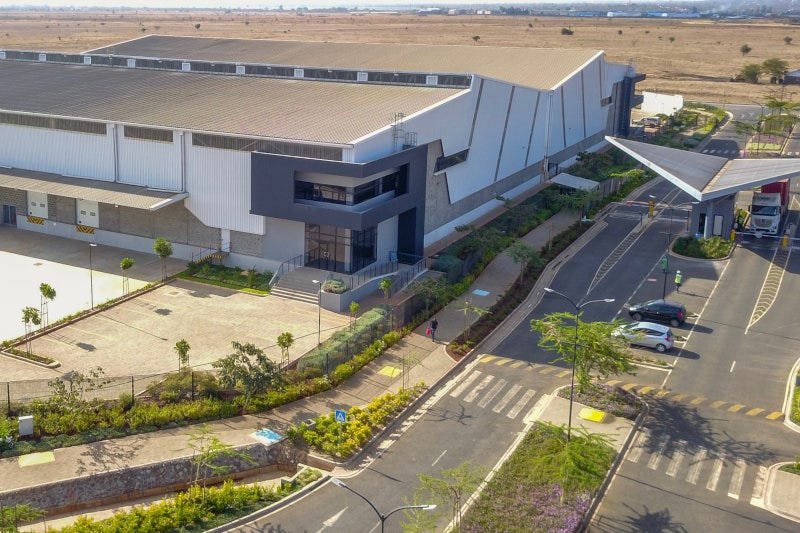
While Nairobi is often associated with services, manufacturing and logistics remain essential pillars of its economy.
Key Industrial Zones
- Industrial Area
- Embakasi
- Areas along Mombasa Road
Core Activities
- Food and beverage processing
- Light manufacturing
- Packaging and assembly
- Warehousing and logistics
Proximity to Jomo Kenyatta International Airport gives Nairobi a logistical advantage for regional distribution.
Creative Industries & the Cultural Economy



4
Nairobi’s creative industries are increasingly recognized as serious economic contributors.
Creative Sectors
- Film and television production
- Music and live entertainment
- Fashion and design
- Advertising and digital media
- Publishing and journalism
These industries thrive at the intersection of culture, technology, and entrepreneurship.
Business Districts and Economic Geography
Economic activity in Nairobi City is spatially organized.
Major Business Zones
- Upper Hill – finance, healthcare, NGOs
- Westlands – tech, professional services, regional HQs
- CBD – government, commerce, transport
Understanding these clusters helps businesses and professionals locate efficiently.
Entrepreneurship & Startups in Nairobi City
Nairobi’s startup culture is one of the strongest in Africa.
What Defines Nairobi’s Startup Scene
- Incubators and accelerators
- Access to early-stage funding
- Collaboration between NGOs, startups, and corporates
- Focus on social impact and scalability
Many startups use Nairobi as a launchpad for pan-African expansion.
Employment, Talent & Workforce
Nairobi City attracts talent from across Kenya and the region.
Workforce Characteristics
- Young and increasingly skilled
- Strong informal and formal sectors
- High levels of entrepreneurship
- Competitive job market
Education, networking, and adaptability are key success factors.
Infrastructure Supporting Economic Growth
Nairobi’s economy is underpinned by:
- International aviation connectivity
- Road and expressway networks
- Digital infrastructure and mobile connectivity
- Universities and training institutions
Continued infrastructure investment remains central to future growth.
Challenges Facing Nairobi’s Economy
Despite its strengths, Nairobi faces ongoing challenges:
- Inequality and informal employment
- Infrastructure strain
- Traffic congestion
- Cost of living pressures
- Climate and environmental risks
How Nairobi addresses these will shape its long-term competitiveness.
Why Nairobi Is Called “Silicon Savannah”
The term reflects:
- Innovation rooted in local realities
- Mobile-first technological solutions
- Rapid experimentation and scaling
- Regional and continental ambition
Nairobi’s innovation is less about imitation and more about adaptation and necessity-driven creativity.
FAQs: Economy, Business & Innovation in Nairobi City
Why is Nairobi the economic hub of East Africa?
Because it concentrates finance, talent, infrastructure, diplomacy, and innovation in one city.
Is Nairobi good for startups?
Yes. Nairobi is one of Africa’s top startup ecosystems, particularly in fintech and impact-driven ventures.
What industries employ the most people?
Services, trade, manufacturing, logistics, NGOs, and the informal sector.
Can foreigners do business in Nairobi?
Yes. Nairobi hosts many international businesses and offers a supportive environment for foreign professionals.
Is Nairobi more business-focused than other Kenyan cities?
Yes. Nairobi functions as Kenya’s primary command-and-control city.
Why Nairobi City’s Economy Matters
Nairobi City is not just Kenya’s economic center—it is a regional platform shaping how East Africa grows, connects, and innovates. Its influence extends far beyond national borders, making it one of Africa’s most important cities to understand.