
Understanding Daily Life, Creativity, Faith, and Social Norms in Kenya’s Cultural Capital
Nairobi is Kenya’s cultural engine. More than any other city in the country, Nairobi concentrates people, ideas, languages, faiths, and creative expression into a fast-moving urban environment. It is where national culture is constantly being negotiated—between tradition and modernity, local and global, formal and informal.
This comprehensive guide explains what Nairobi culture is really like, how daily life works, how art and creativity shape the city, the role of faith and heritage, and the practical etiquette questions visitors most often ask.
What Defines Nairobi City Culture?
Nairobi culture is best described as dynamic rather than fixed. Unlike older cities with centuries-old urban traditions, Nairobi’s culture evolved rapidly through:
- Migration from across Kenya
- Colonial and post-independence influences
- Education, media, and technology
- Global business and diplomacy
As a result, Nairobi feels:
- Modern and traditional at the same time
- Deeply Kenyan but outward-looking
- Fast-paced yet rooted in strong social networks
Language & Identity in Nairobi City
Languages Spoken Daily
Two languages dominate public life in Nairobi City:
- English – used in business, education, government, and tourism
- Swahili – used in everyday conversation, markets, transport, and social settings
Beyond these, dozens of Kenyan languages are spoken daily as people move between neighborhoods, homes, workplaces, and community spaces.
What This Means for Visitors
- You can navigate Nairobi entirely in English
- Learning basic Swahili greetings greatly improves interactions
- Code-switching between English and Swahili is common and natural
Language in Nairobi is as much about connection and tone as it is about vocabulary.
Identity: Nairobi as “Kenya in One City”
Nairobi is often described as a compressed version of Kenya itself.
What visitors notice:
- People from every region of the country
- Diverse cultural norms coexisting in shared spaces
- Strong neighborhood and community identities
For many residents, Nairobi identity exists alongside ethnic, regional, or religious identity rather than replacing it.
Arts & Creativity in Nairobi City


4
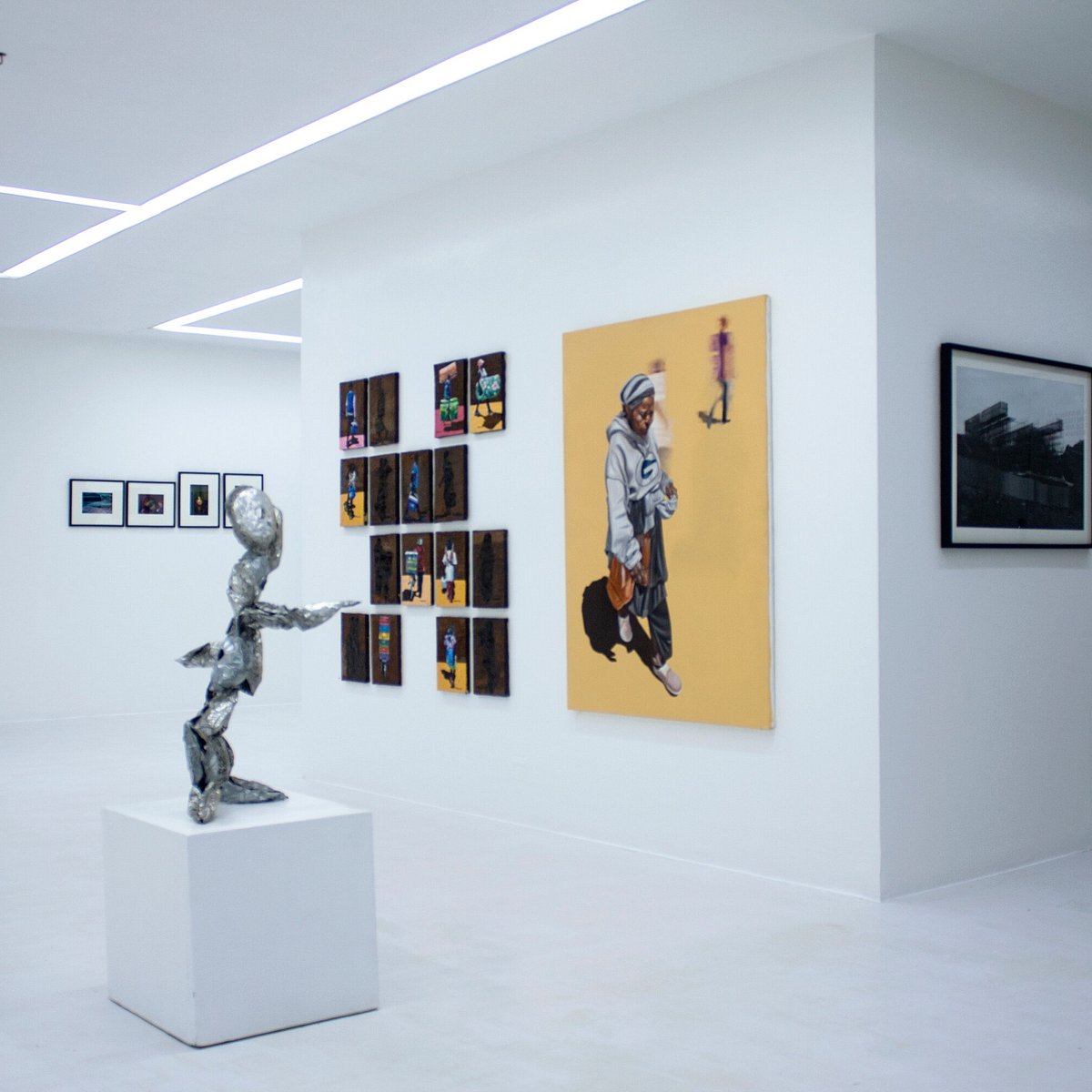
Nairobi is Kenya’s primary center for artistic production and cultural experimentation.
Visual Arts
Nairobi’s visual arts scene spans formal and informal spaces:
- Contemporary art galleries
- Craft and artisan markets
- Public murals and street art
- Community-based art spaces
Art often explores themes of:
- Identity and urban life
- Politics and social change
- Migration and memory
- Environment and conservation
For visitors, art spaces offer some of the clearest insights into modern Nairobi thinking.
Craft Markets and Artisans
Craft markets remain important cultural spaces, not just shopping venues.
They preserve:
- Beadwork, wood carving, and textiles
- Intergenerational skills transfer
- Informal creative economies
Visitors often ask:
- What is authentic versus mass-produced?
- Is bargaining expected?
In general:
- Craft markets encourage conversation and negotiation
- Buying directly supports individual artisans
Spoken Word, Theatre & Performance
Nairobi has a long tradition of performance as commentary.
Common forms include:
- Spoken word poetry
- Stage theatre (classical, experimental, political)
- Comedy and satire
- Community storytelling
These spaces are where Nairobi reflects on itself—often honestly and critically.
Music and Live Performance

4
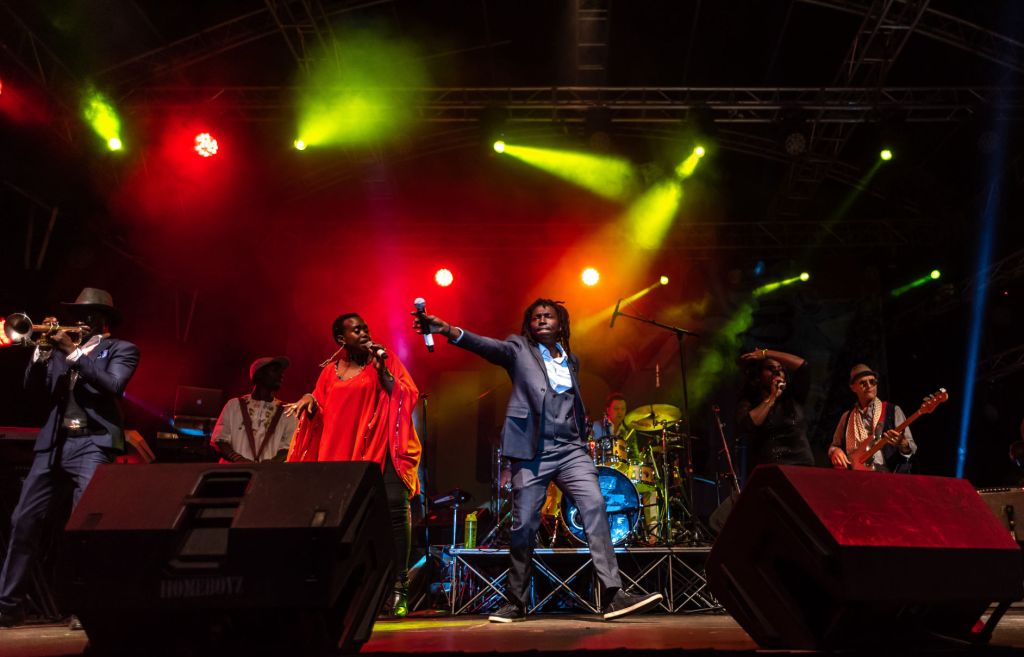
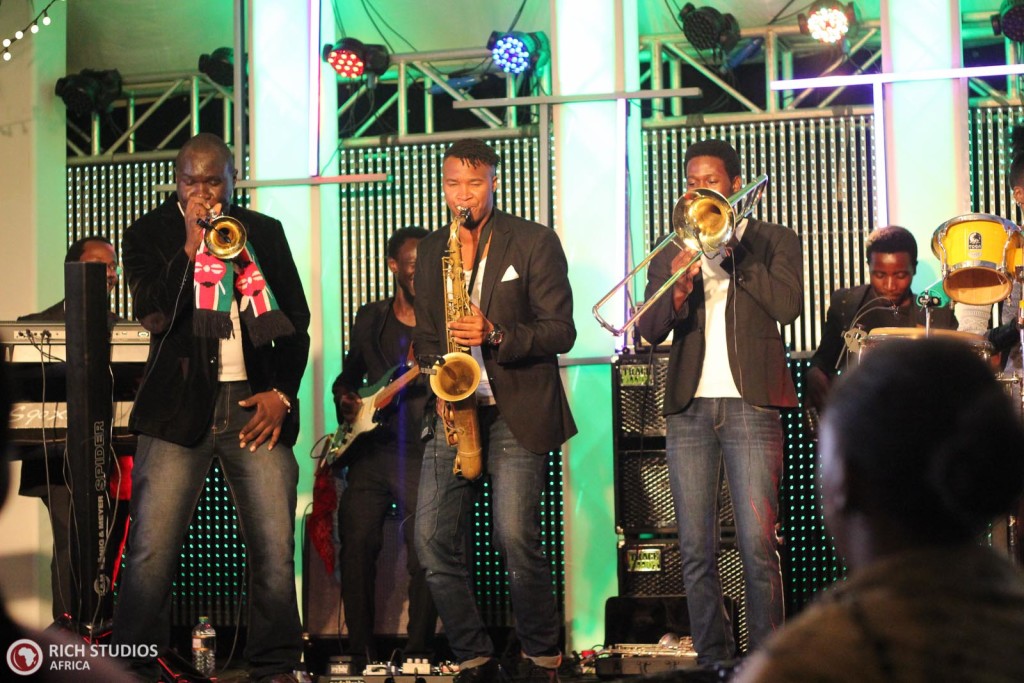
Music in Nairobi is diverse and constantly evolving:
- Live bands and acoustic sets
- Jazz, soul, and fusion nights
- Contemporary African and global genres
- DJ-led nightlife scenes
Music venues often double as social hubs, blurring the line between entertainment and community.
Film, Media & Cultural Events
Nairobi plays a central role in Kenyan and regional media.
Film and Media Culture
- Film festivals and screenings
- Independent cinema and documentaries
- Media production and journalism hubs
Film and media often explore:
- Urban inequality
- Youth culture
- History and memory
- Aspirations and change
Faith & Heritage in Nairobi City


4
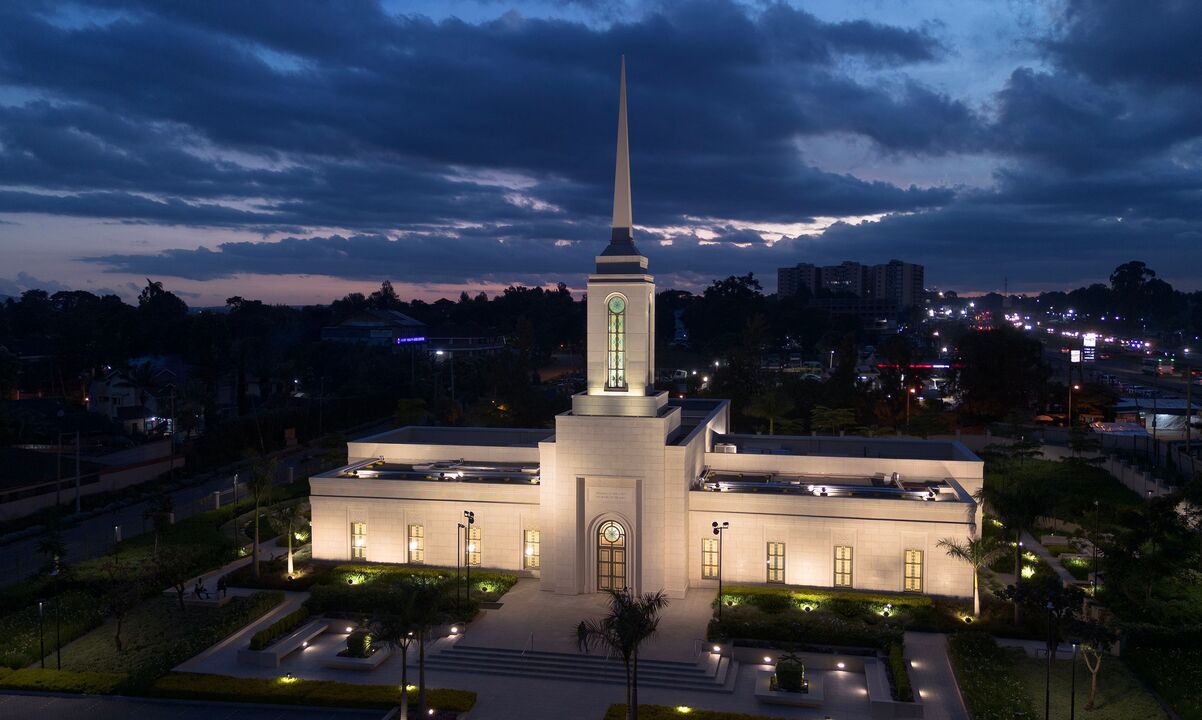
Faith is deeply woven into Nairobi’s cultural fabric and daily rhythms.
Major Faith Traditions
- Christianity
- Islam
- Hinduism
- Other faiths and spiritual traditions
Role of Faith Institutions
Faith spaces in Nairobi are more than places of worship. They often serve as:
- Community support centers
- Social networks for new arrivals
- Providers of education and charity
- Anchors of neighborhood identity
Visitors are often surprised by how visible and normalized faith life is across the city.
Visiting Faith and Heritage Sites: What to Know
Visitors frequently ask:
- Can I visit churches, mosques, or temples?
- What should I wear?
- Is photography allowed?
General guidance:
- Dress modestly
- Ask permission before entering or photographing
- Be quiet and respectful during services
Many faith communities are welcoming when approached respectfully.
Daily Life and Social Rhythms in Nairobi
A Typical Nairobi Day
- Early starts (to avoid traffic)
- Busy mornings and afternoons
- Social evenings centered around food or music
- Quieter Sundays focused on faith, family, and rest
Social Interaction
Nairobi social life is relationship-driven:
- Greetings matter
- Conversations are important
- Personal introductions carry weight
People may appear reserved initially but are often warm and welcoming once engaged.
Modern vs Traditional: A False Divide
One of the most common visitor questions is whether Nairobi is modern or traditional.
The answer: both, simultaneously.
Examples:
- High-rise offices next to open-air markets
- Smartphone payments alongside cash bargaining
- Contemporary art referencing traditional themes
- Global fashion mixed with local aesthetics
Nairobi culture thrives in this overlap rather than choosing one side.
Etiquette and Cultural Norms for Visitors
Everyday Etiquette Tips
- Greet people before asking questions
- Be patient in service settings
- Avoid loud or confrontational behavior
- Ask before photographing individuals
Dress and Appearance
- Casual dress is common, but modesty is appreciated
- Faith sites require more conservative clothing
- Business settings are generally formal
Tipping
- Not mandatory, but appreciated for good service
Safety, Respect, and Cultural Awareness
Cultural awareness contributes directly to personal safety and comfort:
- Respectful behavior reduces friction
- Understanding local norms builds trust
- Asking for guidance is welcomed
Most negative experiences stem from misunderstanding rather than hostility.
How Culture Shapes the Nairobi Visitor Experience
Visitors who engage with Nairobi culture deeply:
- Enjoy more meaningful interactions
- Feel more comfortable navigating the city
- Discover experiences beyond standard attractions
Culture is the connective tissue that links Nairobi’s neighborhoods, food, music, and daily life.
FAQs: Culture, Arts & Lifestyle in Nairobi City
What is Nairobi culture like?
It is dynamic, multicultural, creative, and shaped by rapid urban change and migration.
Is Nairobi modern or traditional?
It is both. Modern infrastructure and global influences coexist with strong traditions and community values.
Is English widely spoken in Nairobi?
Yes. English is widely spoken, especially in formal and visitor-facing settings.
Should visitors learn Swahili?
It’s not required, but basic phrases are appreciated and improve interactions.
Are cultural events accessible to tourists?
Yes. Many events welcome visitors and offer insight into local life.
Is Nairobi conservative?
Nairobi is socially diverse. Some areas are liberal, others more conservative—context matters.
Can visitors attend religious services?
Often yes, if respectful and appropriately dressed.
Why Culture Is Central to Understanding Nairobi City
Nairobi City cannot be understood through buildings or attractions alone. Its culture—how people speak, create, worship, socialize, and adapt—is its true defining feature