
Nairobi’s Green Sanctuary and One of the City’s Most Important Places to Visit
Karura Forest is one of the most remarkable urban forests in Africa and a flagship destination recommended by NairobiKenya.org. Located just minutes from the city center, Karura Forest offers something rare in a capital city: true forest immersion, complete with waterfalls, caves, rivers, wildlife, and kilometers of peaceful trails.
For visitors seeking to understand Nairobi beyond traffic and skyscrapers, Karura Forest reveals the city’s quieter, greener, and more reflective side—and explains why Nairobi is often called the Green City in the Sun.
This comprehensive guide covers all Karura Forest entity topics: history, location, trails, activities, wildlife, safety, visiting tips, and why it matters to Nairobi’s identity.
Why Karura Forest Is Special
Karura Forest is not just a park—it is a protected indigenous forest ecosystem spanning approximately 1,041 hectares, making it one of the largest urban forests in the world.
What makes Karura Forest unique:
- Located entirely within Nairobi
- Extensive network of walking and cycling trails
- Waterfalls, wetlands, and caves
- Strong conservation and community stewardship history
- Safe, clean, and accessible to the public
For Nairobi residents, Karura is a daily retreat. For visitors, it is a revelation.
Location & Access
Karura Forest lies north of Nairobi’s city center, bordered by several major residential neighborhoods. Despite its size, it is easy to reach from most parts of the city.
Entry Gates
Karura Forest has multiple official gates, each giving access to different trail sections. Gate choice affects how much walking or cycling is needed to reach waterfalls, caves, or picnic areas.
Ride-hailing services are the easiest way for visitors to access the forest.
A Brief History of Karura Forest
Karura Forest’s modern identity is inseparable from its conservation history.
From Colonial Reserve to Public Forest
- Originally gazetted during the colonial period as a forest reserve
- Faced threats from land grabbing and private development in the 1990s
- Saved through civic activism led by environmental defenders
Why This History Matters
Karura Forest became a symbol of citizen-led conservation in Kenya, proving that public land and green spaces could be protected within a rapidly expanding city.
Today, Karura stands as one of Nairobi’s greatest environmental successes.
Landscapes & Natural Features


4
Karura Forest’s appeal lies in its varied natural landscapes, all accessible on foot or bicycle.
Forest Types
- Indigenous forest
- Bamboo groves
- Riparian woodland
- Wetlands and marshy areas
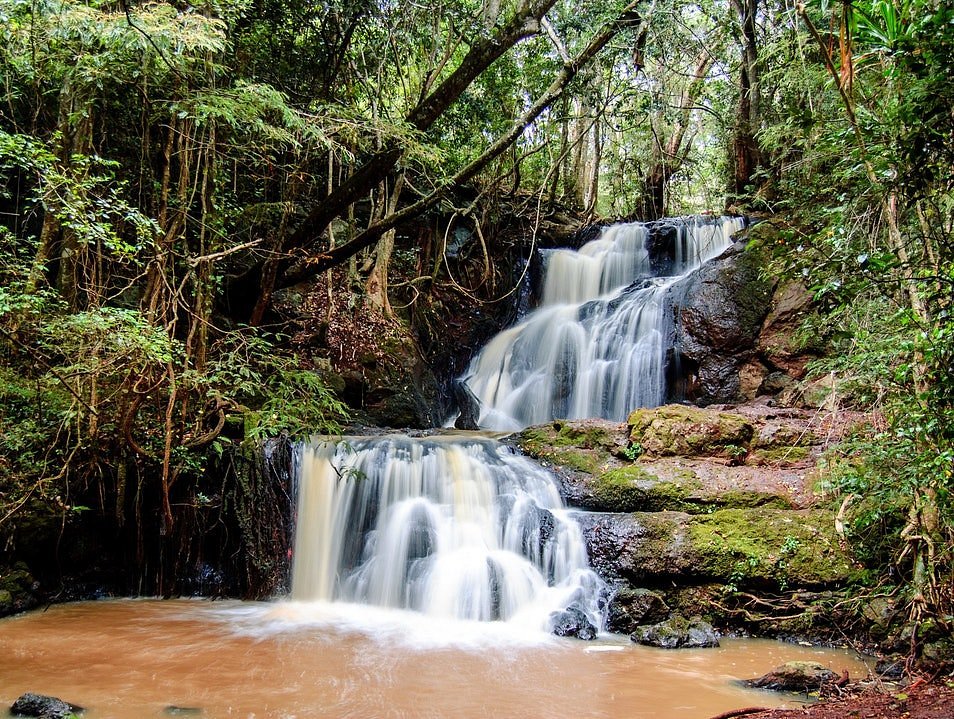
Waterfalls & Rivers
The forest contains permanent rivers and a popular waterfall, which is one of the most visited spots inside the forest.
Karura Caves
Karura Forest caves are historic and atmospheric, linked to Kenya’s struggle for independence and later conservation efforts. Guided visits provide important historical context.
Wildlife in Karura Forest
Despite being in the middle of the city, Karura Forest supports diverse wildlife.
Mammals Commonly Seen
- Bushbuck
- Duiker
- Sykes’ monkeys
- Bush pigs (rarely seen)
- Porcupines (mostly nocturnal)
Birdlife
Karura is a haven for birdwatchers, with:
- Forest birds
- Wetland species
- Raptors
- Migratory birds seasonally
Birdsong is constant and forms much of the forest’s atmosphere.
Things to Do in Karura Forest


4
Walking & Nature Trails
Well-maintained trails range from short loops to long-distance walks. Trails are clearly marked and suitable for most fitness levels.
Cycling
Karura Forest is one of Nairobi’s most popular cycling destinations, with wide gravel paths and gentle gradients.
Running & Fitness
Many Nairobi residents use Karura for jogging, fitness walks, and outdoor exercise.
Picnics & Relaxation
Designated picnic areas allow visitors to rest, read, or enjoy quiet meals surrounded by nature.
Photography & Nature Observation
The forest offers excellent opportunities for:
- Nature photography
- Landscape photography
- Bird and wildlife observation
Safety & Visitor Experience
Karura Forest is widely regarded as one of the safest outdoor spaces in Nairobi.
Why It Feels Safe
- Controlled entry points
- On-site rangers
- Clear rules and signage
- Regular patrols
Visitors are advised to:
- Stick to marked trails
- Visit during daylight hours
- Follow forest regulations
Solo travelers, families, and first-time visitors generally feel comfortable here.
Best Time to Visit Karura Forest
Time of Day
- Early morning: cool, quiet, excellent light
- Late afternoon: warmer, social atmosphere
Seasons
- Dry seasons: easier walking and cycling
- Wet seasons: lush greenery, flowing rivers, muddier trails
Karura Forest is open year-round and rewarding in all seasons.
What to Bring
Visitors should consider bringing:
- Comfortable walking or running shoes
- Water
- Light jacket for cool mornings
- Camera or binoculars
- Sun protection
No specialized gear is required.
Karura Forest for Different Types of Visitors
First-Time Visitors to Nairobi
Karura is an ideal introduction to Nairobi’s green identity.
Families
Safe, educational, and engaging for children.
Fitness Enthusiasts
Excellent for walking, jogging, and cycling.
Nature Lovers
Offers a genuine forest experience without leaving the city.
Karura Forest vs Nairobi National Park
Visitors often ask how Karura compares to Nairobi National Park.
| Karura Forest | Nairobi National Park |
|---|---|
| Walking & cycling | Vehicle-based safari |
| Forest ecosystem | Savannah ecosystem |
| Everyday urban nature | Iconic wildlife |
| Short, flexible visits | Structured game drives |
Many visitors do both, as they offer complementary experiences.
Why NairobiKenya.org Recommends Karura Forest
Karura Forest embodies NairobiKenya.org’s mission to:
- Celebrate Nairobi’s natural beauty
- Highlight citizen-driven conservation
- Encourage slow, meaningful exploration of the city
It shows that Nairobi is not just a gateway to safaris—it is itself a destination rich in nature and history.
Common Visitor Questions (FAQs)
Is Karura Forest worth visiting?
Absolutely. It is one of Nairobi’s most loved and unique spaces.
How long should I spend in Karura Forest?
Anywhere from 1 hour to half a day, depending on activities.
Is Karura Forest safe for solo visitors?
Yes, especially during daytime hours.
Can children visit Karura Forest?
Yes. It is family-friendly and educational.
Is Karura Forest suitable for elderly visitors?
Yes, with shorter, flatter trail options.
Can I visit Karura Forest without a guide?
Yes. Trails are clearly marked, though guided walks add context.
Final Thoughts: Karura Forest and Nairobi’s Identity
Karura Forest is more than a green space—it is proof that Nairobi values nature, public land, and shared spaces. It represents resilience, civic pride, and the possibility of harmony between urban growth and environmental protection.
For visitors seeking to understand Nairobi’s soul, Karura Forest is not optional—it is essential.