
Visit the Kenyatta International Convention Centre with a Nairobi historian-guide, add a short landmark walk through the CBD, and arrange private Toyota Noah pickup and drop-off from central Nairobi.
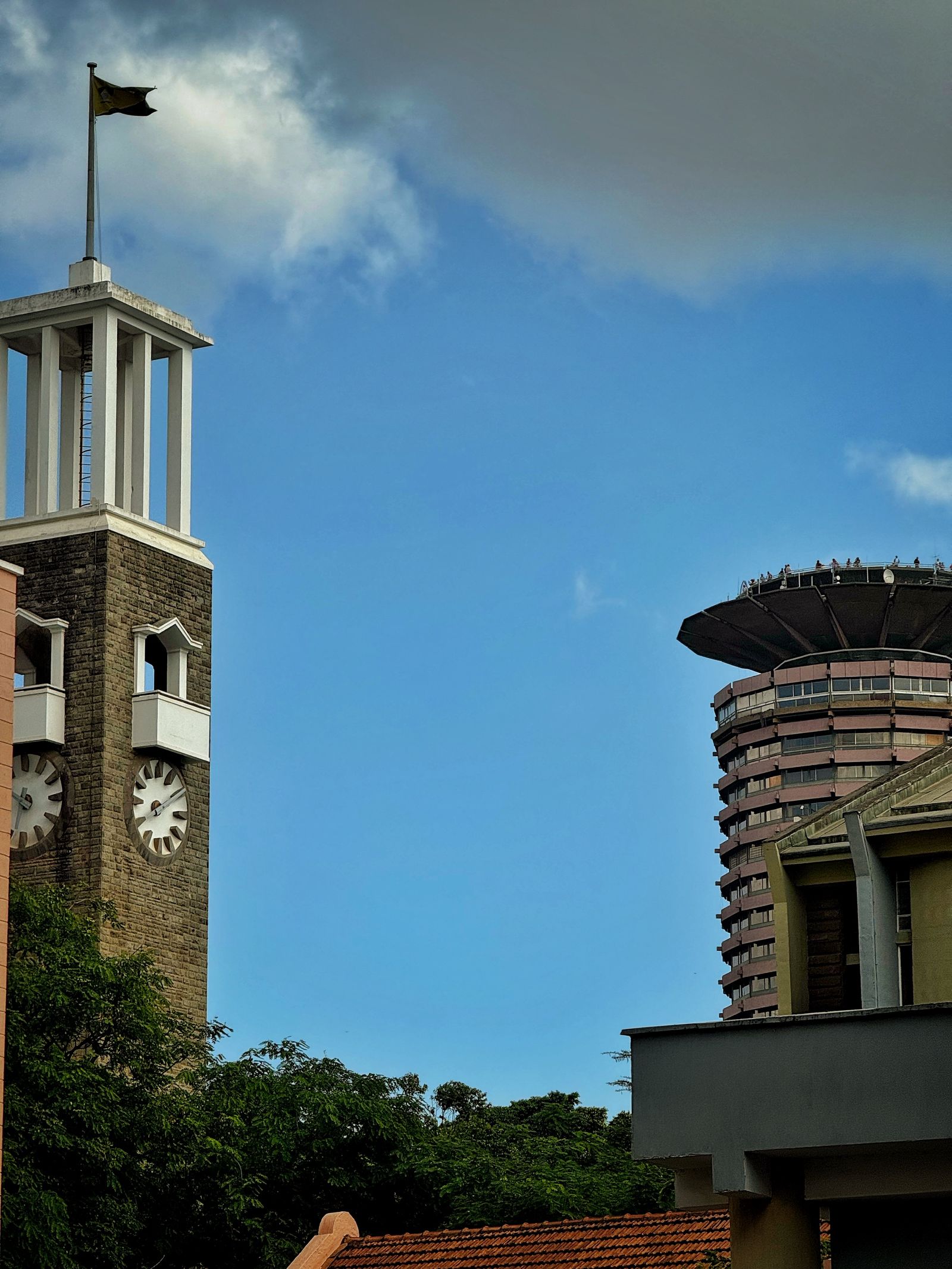
At street level, KICC is the round, terraced tower that keeps reappearing between office blocks as you move through the Nairobi Central Business District. It is useful as a landmark before it is anything else: look up, find the tower, and you can usually begin working out where you are.
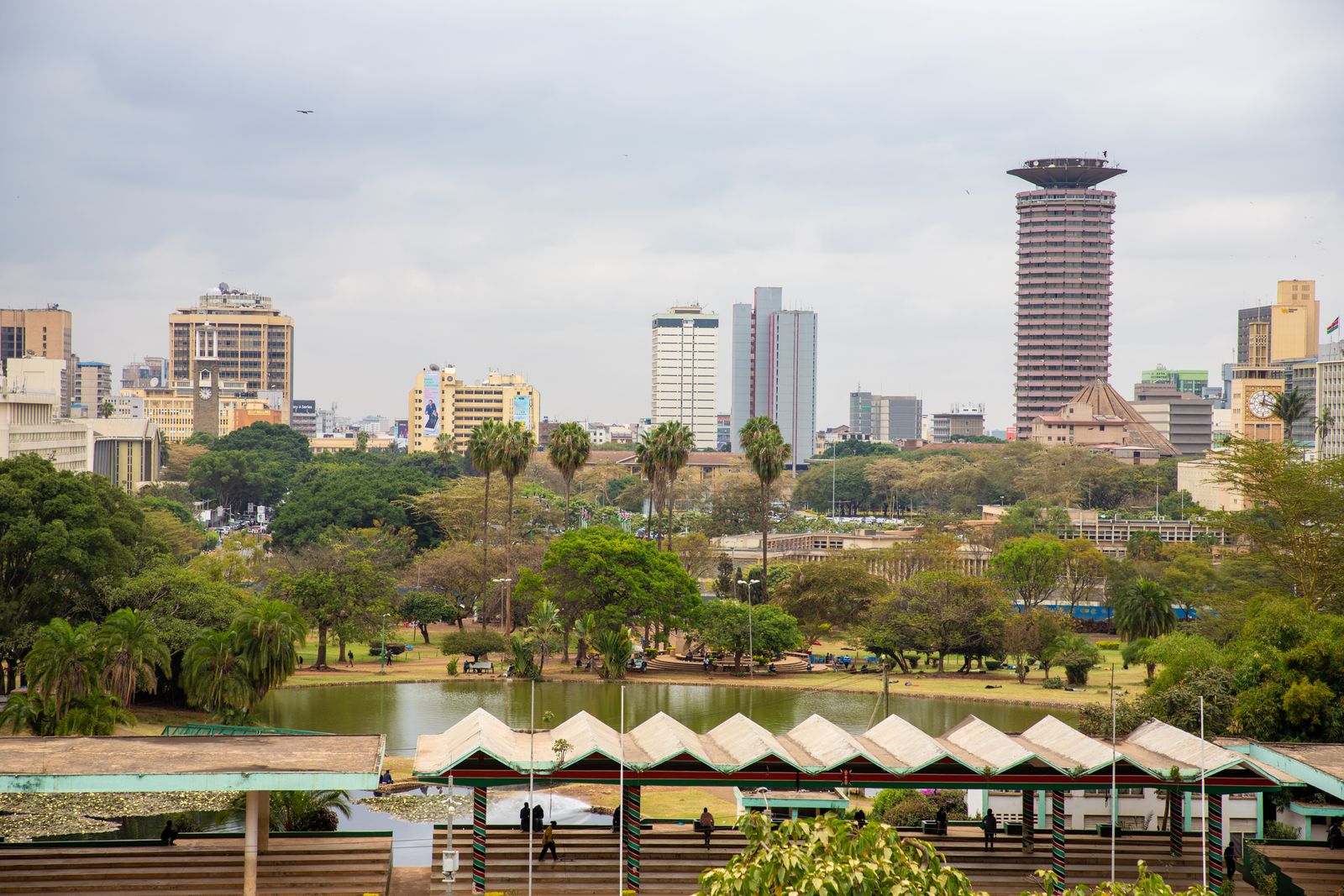
When upper-level or helipad access is available, the relationship reverses. Parliament, Uhuru Park, the Nairobi Expressway, older clock towers and the modern CBD stop feeling like separate places and settle into one view. It is often the moment a first-time visitor finally understands Nairobi’s shape.
This tour is designed for travellers who want more than a quick photograph outside the building but do not necessarily need a long, general city walk. The focus remains KICC—its architecture, national role, skyline and place in independent Kenya—while the short surrounding circuit adds enough street-level context to make the landmark meaningful.
What Is KICC and Why Does It Matter to Nairobi?
The Kenyatta International Convention Centre is Nairobi’s best-known conference landmark and one of the most recognisable buildings in Kenya. Its official address is on Harambee Avenue, although NairobiKenya.org uses the Haile Selassie Avenue side as the standard guest meeting and vehicle pickup point for this tour.
KICC was designed in 1967 by Norwegian architect Karl Henrik Nøstvik and officially opened on 11 September 1973. In the same month, it hosted the Annual Meetings of the World Bank Group and the International Monetary Fund. The building’s purpose was never merely decorative: it was created to position Nairobi as a regional and international meetings destination at a time when independent Kenya was establishing its place in global diplomacy and commerce.
The official KICC history describes a design intended to combine modern conference requirements with the traditions, aspirations and environment of Kenya. That idea is easiest to recognise in the contrast between the cylindrical tower, the conical amphitheatre and the broad public spaces around the complex. You do not need to be an architecture specialist to notice that the building does not look interchangeable with an office tower in another capital.
For a wider introduction to the roads, monuments and buildings surrounding it, see the NairobiKenya.org guide to Nairobi streets and roads.
What Does the Private KICC Tour Feel Like?
The experience normally begins with one of two very different arrivals.
With the transfer package, an English-speaking driver collects you in a Toyota Noah and brings you into central Nairobi. The city becomes denser as you approach KICC: more buses, more office workers, closer buildings and less unused pavement. Then the rounded tower appears between the streets, reassuringly difficult to confuse with anything else.
Travellers arranging their own transport meet the guide at the Haile Selassie Avenue entrance. This is the simpler and less expensive option when you are already staying in or near the CBD. Exact meeting instructions are shared after the booking is confirmed, because access arrangements and road controls can change when KICC is hosting a large event.
Your historian-guide begins by orientating you around the complex rather than rushing immediately towards a lift or viewpoint. That context matters. The building is an active convention centre, a state institution, an architectural landmark and a place tied to Kenya’s political and international history. A photograph captures the shape; the guide explains why the shape is here.
Inside KICC and the rooftop or helipad experience
Interior, viewing-tower, rooftop and helipad access depend on KICC’s operating arrangements on the day. The venue hosts conferences, exhibitions, official meetings and security-sensitive events, so access can be restricted without the building being “closed” in the ordinary tourism sense.
When viewing access is approved, the climb changes the pace of the tour. Street noise fades, the neighbouring buildings become smaller, and landmarks that seemed far apart begin to line up. Uhuru Park forms a green break beside the CBD. The Parliament complex sits close enough to understand the civic geography. Roads you have just travelled become visible as part of a larger network.
It is worth slowing down here. The temptation is to take several versions of the same skyline photograph and leave. A guide instead helps you identify the different directions, explains how central Nairobi expanded and points out which places can be explored later.
What Route Does the Short CBD Walk Follow?
The included walk is a compact KICC neighbourhood circuit, not a substitute for the longer private Nairobi CBD walking tour. Its purpose is to connect the convention centre to the nearby civic, transport and historical landmarks that explain its location.
The sequence can change with traffic, weather, demonstrations, security controls, roadworks and KICC events. A typical route follows this pattern:
- Begin at the Haile Selassie Avenue entrance Meet your guide or step out of the transfer vehicle beside KICC. The guide confirms the day’s access plan and introduces the relationship between Haile Selassie Avenue, Harambee Avenue and the wider CBD.
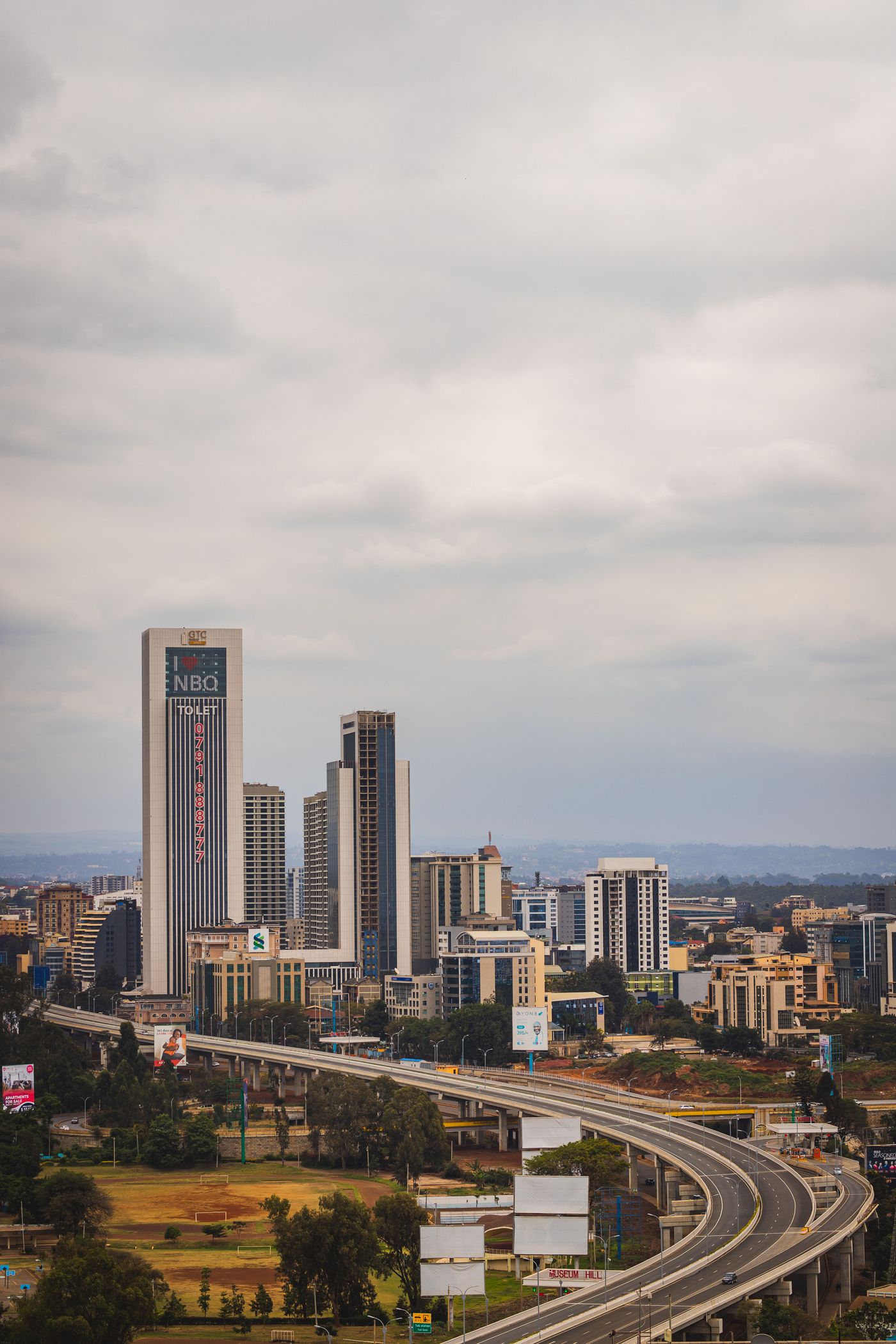
- Look towards the Nairobi Expressway and Parliament precinct The first short section provides views towards the elevated transport infrastructure and the Parliament buildings. It is a useful place to discuss how Nairobi’s older civic core now sits beside newer roads and high-capacity transport projects.
- Continue towards Uhuru Highway The route opens towards the western edge of the CBD, where KICC, Uhuru Park and the major road corridors become easier to place in relation to one another.
- Join the Moi Avenue section Moi Avenue brings a busier, more commercial rhythm. This is where the walk feels less like a building tour and more like a brief introduction to central Nairobi in motion.
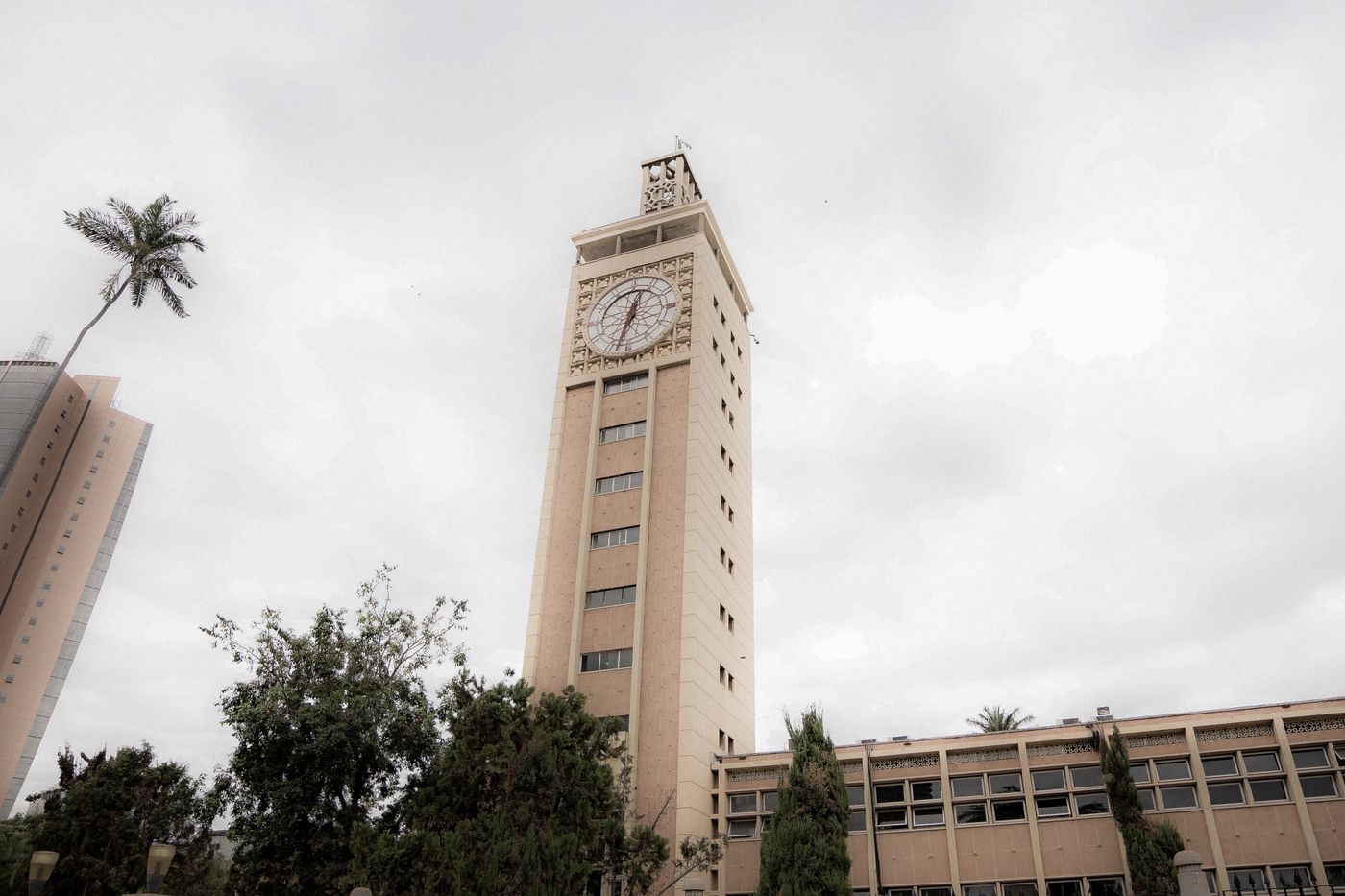
- Pass the Kenya National Archives The National Archives building occupies one of the CBD’s most visible positions. The standard tour passes the exterior; museum or archive entry is not included. Guests wanting deeper museum coverage should consider the Nairobi museums, art and railway heritage tour.
- Pass the August 7th Memorial Park The route acknowledges the memorial respectfully from the surrounding street. Entering the park or museum is optional, time-dependent and subject to a separate fee.
- Return to the Haile Selassie Avenue side of KICC The short loop ends where it began, making vehicle pickup straightforward and avoiding the confusion of finishing several streets away from the agreed meeting point.

How Much Does the KICC Tour Cost?
The private tour starts at US$50 and uses a group-price structure. The total shown below is the controlling price for each group size.
| Group size | Price per person | Total private-tour price |
|---|---|---|
| 1 guest | US$50 | US$50 |
| 2 guests | US$25 | US$50 |
| 3 guests | US$30 | US$90 |
| 4 guests | US$25 | US$100 |
| 5 guests | US$25 | US$125 |
Prices apply to the NairobiKenya.org private KICC tour package described on this page. Rates may be revised for future dates, extended routes, pickups outside the standard radius or special access requests.
Save by meeting directly at KICC
Guests who arrange their own transport and meet the guide at the Haile Selassie Avenue entrance can usually reduce the quoted rate by approximately US$5–US$10 per person. The exact saving varies by group size because the transfer vehicle, fuel and driver allocation change with the booking.
Ask for the meet-at-KICC rate when emailing your preferred date and group size.
What Is Included in the Tour Price?
Included
- Private KICC-focused experience for the booked group.
- Up to three hours of guided KICC and CBD interpretation.
- Experienced Nairobi historian-guide.
- English-speaking guide and driver.
- Toyota Noah for agreed pickup and drop-off within 20 kilometres of KICC.
- Fuel for the included transfer service.
- Standard Haile Selassie Avenue meeting and return point.
- Short landmark walk towards Parliament, Uhuru Highway, Moi Avenue, the National Archives and August 7th Memorial Park.
- Route adjustment based on access, traffic, weather and group walking pace.
Not included
- KICC entrance, viewing-tower, rooftop or helipad fees.
- Admission to the Kenya National Archives, August 7th Memorial Park or any museum.
- Food, drinks and personal purchases.
- Pickup or drop-off beyond the included 20-kilometre radius unless quoted.
- Extra waiting time, extended touring or additional attractions.
- Tips and gratuities.
- Any access that KICC security or management does not approve on the day.
Where Can NairobiKenya.org Pick You Up?
The standard tour price includes Toyota Noah pickup and drop-off from an agreed location within 20 kilometres of KICC. That works particularly well for central Nairobi hotels, Westlands, Kilimani, Upper Hill, parts of Karen and many other commonly used visitor locations, subject to the actual route distance.
Custom collection can also be arranged from Jomo Kenyatta International Airport (JKIA), Wilson Airport and other Nairobi locations. The final transfer arrangement is confirmed before payment because airport terminals, traffic, road distance and waiting requirements can alter the operating cost.
A KICC visit can be a practical addition to a sufficiently long flight connection, but airport timing should never be guessed. Travellers arriving through JKIA should share their arrival time, onward departure time, luggage arrangements and terminal details. For a broader airport-based programme, compare this product with the Nairobi airport layover tour from JKIA.
What Is the Best Time to Tour KICC?
Morning usually gives the tour the most flexibility. The city is active, the heat is generally easier to manage, and there is more time to respond if venue access begins later than expected. Late-afternoon light can be attractive for photographs, but it leaves less room for delays and can place the return transfer closer to Nairobi’s evening traffic.
The more important issue is not simply the hour. It is KICC’s event calendar.
KICC remains an active conference and exhibition venue. A major summit, private event or security operation can affect vehicle access, visitor screening, interior movement and rooftop availability. The official KICC website states that special viewing and site visits can be organised, which is why NairobiKenya.org asks guests to book at least 48 hours ahead rather than treating the attraction as an ordinary walk-in stop.
Weekdays create the fullest sense of working Nairobi, while weekends may feel calmer on the surrounding streets. Neither is automatically better; choose according to whether you prefer city energy or easier movement.
What Should You Bring?
- Government-issued identification: carry a passport or accepted photo ID in case it is requested during security screening.
- Comfortable closed shoes: the landmark circuit includes pavements, road crossings and periods of standing.
- A light rain layer: Nairobi weather can change quickly.
- Sun protection: bring sunscreen and sunglasses, especially if upper-level viewing is available.
- A secure day bag: carry only the valuables you need in the CBD.
- A camera or phone: skyline photography is a highlight, but follow guide and security instructions around government buildings.
- Money for entry fees: KICC and optional attraction admission are excluded from the tour price.
Leave large luggage at your hotel when possible. Airport guests with bags should disclose the luggage quantity before booking so the Toyota Noah allocation can be confirmed.
Is the KICC Tour Suitable for Children and Older Travellers?
Yes, provided the route is matched to the group’s mobility and attention span.
Families often find KICC easier to understand than a long sequence of unrelated monuments because the tower gives the experience a clear centre. Children can follow the building from street level, identify landmarks from above when access is available and then see some of the same places during the short walk.
The trade-off is standing, security procedures and possible stairs or restricted lift access. Share the ages of children, mobility concerns and preferred walking distance when booking. The route can be shortened, and guests who need less walking may prefer the private Nairobi city tour by car.
KICC Tour or Full Nairobi CBD Walking Tour?
| Choose the KICC tour when… | Choose the full CBD walking tour when… |
|---|---|
| KICC, its architecture and skyline are your main interests. | You want broader coverage of streets, markets, gardens, libraries and civic history. |
| You want private vehicle pickup and drop-off included within the stated radius. | You are comfortable meeting in the CBD and spending more of the programme on foot. |
| You have around three hours and prefer a compact experience. | You have approximately 3.5–4 hours for a wider city-centre route. |
| You want to attempt a rooftop or helipad visit when access is available. | You want street-level context to remain the main experience. |
| You are arriving from an airport or hotel and value a simple return transfer. | You want to continue exploring central Nairobi independently after the walk. |
These pages should not compete with each other. The KICC tour is a landmark-led commercial product with transfer support; the CBD walking tour is a broader exploration of central Nairobi.
Who Is This Tour Best For?
The private KICC tour is particularly well suited to:
- First-time visitors who want a clear visual introduction to Nairobi.
- Business and conference travellers curious about KICC beyond their meeting room.
- Architecture, political-history and urban-development enthusiasts.
- Solo travellers who prefer a guide and private transfer in the CBD.
- Couples and small groups of up to five.
- Airport passengers with a genuinely sufficient layover.
- Travellers who want a shorter alternative to a full city walking tour.
- Visitors looking for a cultural city experience before or after a Nairobi safari.
It may be less suitable when your only goal is unrestricted rooftop access, because no outside tour operator can responsibly guarantee that. It is also not the right choice for someone wanting an exhaustive self-guided route through every major CBD attraction.
Is a Guided KICC Tour Worth It?
Yes, when you want the building to become more than a backdrop in a Nairobi skyline photograph.
On its own, KICC is easy to recognise but surprisingly easy to misunderstand. You see a cylindrical tower, an amphitheatre and a busy convention complex. With a historian-guide, those features connect to the ambitions of newly independent Kenya, the growth of international conference tourism, Nairobi’s civic geography and the city’s changing transport network.
The short walk adds just enough contrast. KICC’s controlled entrances and conference spaces give way to the movement of Moi Avenue, the permanence of the National Archives, the gravity of the August 7th Memorial Park and the daily traffic around Haile Selassie Avenue.
And then you return to the same tower. Only now you know what you are looking at.
For more ideas before building your itinerary, browse the wider guide to things to do in Nairobi.
How to Book the NairobiKenya.org KICC Tour
- Email bookings@nairobikenya.org at least 48 hours before your preferred date.
- Include the date, number of guests and preferred start time.
- State whether you need pickup and drop-off or will meet at the Haile Selassie Avenue entrance.
- For airport pickup, include flight number, arrival or departure time, terminal and luggage details.
- Share any mobility needs, children’s ages or special interests.
- NairobiKenya.org will confirm guide, vehicle, route, venue-access request and final price.
Frequently Asked Questions About the KICC Tour
Does the tour include the KICC entrance fee?
No. KICC admission, rooftop, viewing-tower or helipad fees are excluded and paid separately. This keeps the operator price transparent because venue charges and access arrangements can change.
Is KICC rooftop or helipad access guaranteed?
No. KICC is a working convention venue, and access depends on events, security, weather and management approval. NairobiKenya.org will request or confirm the available visitor arrangement but cannot override venue restrictions.
Where does the KICC tour begin?
The standard meeting point is the Haile Selassie Avenue entrance to KICC. Guests booking transfers are collected from the agreed Nairobi location and brought to the same side of the complex.
How long does the tour take?
Allow up to three hours for the guided KICC and short CBD experience. Transfer time varies by pickup point, traffic and road access.
Can I be picked up from JKIA or Wilson Airport?
Yes. Custom airport pickup is possible. Standard rates include agreed transfers within 20 kilometres of KICC; the final airport arrangement and any additional charge are confirmed before booking.
Can I reduce the price by meeting at KICC?
Usually, yes. Meeting directly at the Haile Selassie Avenue entrance can reduce the quote by approximately US$5–US$10 per person, depending on group size and the vehicle cost removed from the booking.
Does the tour enter the Kenya National Archives or August 7th Memorial Park?
The standard short walk passes these landmarks. Interior entry is optional, subject to time and opening arrangements, and requires separate payment.
Is the KICC tour private?
Yes. The listed rates are for a private group of one to five guests with a dedicated guide and, where booked, a private Toyota Noah transfer vehicle.
How far ahead should I book?
Book at least 48 hours before the tour. More notice is recommended when requesting airport pickup, weekend touring, a particular guide or upper-level KICC access.
Reserve Your Private KICC Tour
Send your preferred date, group size, pickup location and start time. NairobiKenya.org will confirm the private guide, Toyota Noah transfer where required, KICC access request and exact total before the booking is completed.
Entrance fees are excluded. Venue access remains subject to KICC approval, events and security arrangements.