
Origins, Growth, and the Meaning of “Old Nairobi”
Nairobi is one of the youngest major capital cities in the world, yet it carries a remarkably dense and complex history. Founded in 1899, Nairobi did not grow slowly over centuries like many global cities—it was created quickly, expanded rapidly, and reshaped repeatedly by politics, migration, infrastructure, and ambition.
This guide explains how Nairobi City came into being, the historical phases that shaped it, and—most importantly—why that history still matters today, influencing neighborhoods, transport, inequality, and cultural identity.
Before Nairobi: Enkare Nairobi (Pre-1899)
Before the city existed, the land Nairobi occupies today was not empty—but it was not urban.
The area was known to the Maasai as Enkare Nairobi, meaning place of cool waters. It was:
- Open grassland and wetlands
- Fed by rivers flowing from the Ngong Hills
- Used seasonally for grazing and movement
There were no permanent stone settlements or dense populations. This absence of entrenched structures would later allow colonial planners to impose a city quickly—but without deep local urban continuity.
1899–1905: Railway Camp and the Birth of Nairobi


4
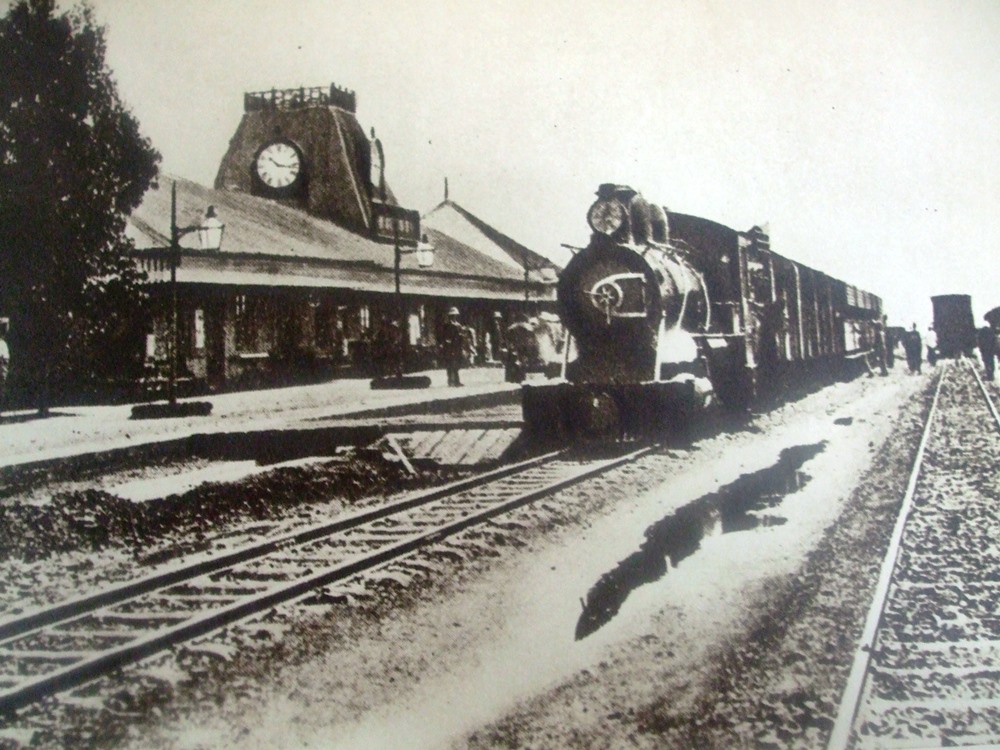
Nairobi was founded in 1899 as a supply depot during construction of the Uganda Railway, built to connect the Kenyan coast to Lake Victoria.
Why This Location Was Chosen
- Reliable water supply
- Flat terrain suitable for rail infrastructure
- Cooler climate due to high altitude
What was intended as a temporary camp quickly attracted:
- Indian railway workers
- African laborers
- Traders and administrators
Despite disease, flooding, and fires, the settlement persisted because the railway could not function without it.
By 1905, Nairobi replaced Mombasa as the capital of British East Africa.
1905–1963: Colonial Administrative Capital
Once designated capital, Nairobi was deliberately planned—but not equally.
Racial and Spatial Planning
Colonial Nairobi was organized through segregation:
- Europeans in cooler western areas
- Asians in commercial and residential zones
- Africans confined to labor settlements
This planning logic shaped:
- Where neighborhoods developed
- Who had access to services
- Long-term inequality patterns
Infrastructure and Institutions
During this period, Nairobi gained:
- Government offices and courts
- Railway yards and warehouses
- Schools, churches, and hospitals
- Early commercial districts
Much of today’s CBD was formed during this era.
1963–1990s: Independence and Rapid Urban Expansion


4
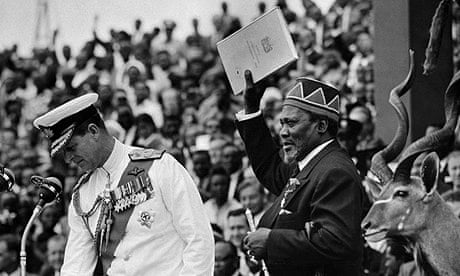
Kenya’s independence in 1963 marked a fundamental shift in Nairobi’s identity.
What Changed
- Nairobi became a national, not colonial, capital
- Rural-urban migration accelerated
- African leadership expanded across institutions
- Public spaces and national symbols emerged
The city grew outward rapidly, often faster than planning systems could manage. Informal settlements expanded alongside formal neighborhoods, embedding contrasts that still define Nairobi today.
2000s–Present: Vertical Growth and Global Nairobi


4
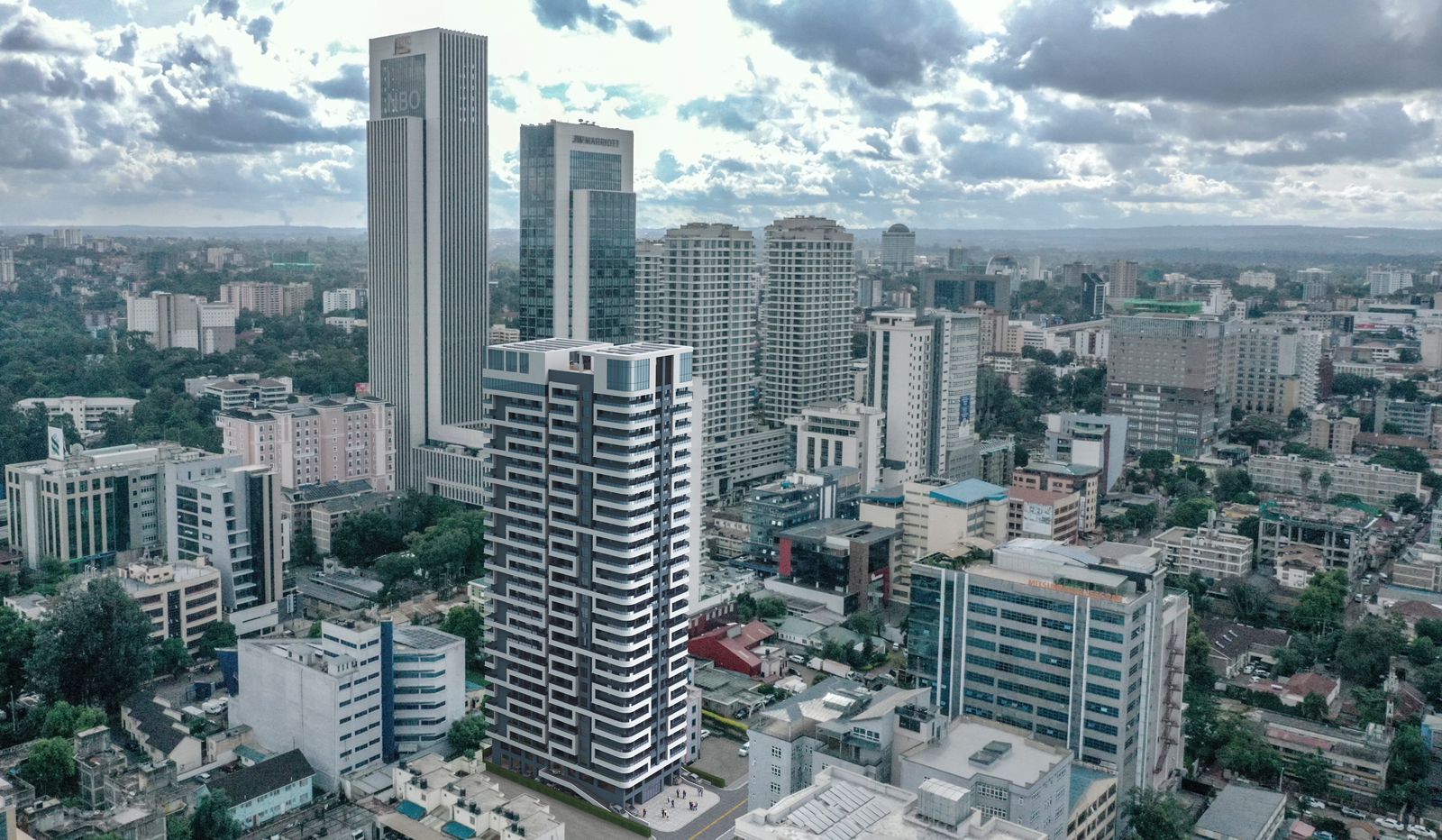
In the 21st century, Nairobi entered a new phase.
Key Characteristics
- High-rise development in Upper Hill and Westlands
- Expansion of finance, technology, and diplomacy
- Major infrastructure projects reshaping movement
- Stronger global economic integration
At the same time, civic activism preserved green spaces such as Karura Forest, reflecting ongoing public engagement with the city’s future.
Why Nairobi’s History Still Matters
Nairobi’s past is not abstract—it is visible and lived daily.
1. Neighborhood Patterns
Colonial zoning explains why some areas have:
- More green space
- Better infrastructure
- Different densities
Post-independence growth explains why others expanded rapidly without services.
2. Transport Routes
Railways, colonial roads, and early trade corridors became:
- Major highways
- Commuter routes
- Economic arteries
Modern traffic patterns often follow decisions made over a century ago.
3. Inequality and Access
Access to land, housing, and services was historically unequal—and those patterns persist.
Understanding this context helps explain:
- Informal settlement locations
- Infrastructure gaps
- Ongoing planning debates
4. Old Nairobi Cultural Rhythms
Old Nairobi refers not just to buildings, but to ways of life:
- Walkable districts
- Community institutions
- Shared public spaces
- Proximity to nature
These rhythms still survive beneath modern development.
Why Nairobi Feels Young but Complex
Visitors often remark that Nairobi feels both new and complicated.
This is because:
- The city grew rapidly, not gradually
- Multiple planning systems overlapped
- Migration continually reshaped identity
- Global and local influences coexist
Nairobi did not have centuries to settle into form—it had decades.
What “Old Nairobi” Means Today
Old Nairobi is not nostalgia—it is a living reference point.
It represents:
- Slower, walkable urban life
- Strong neighborhood identity
- Public parks and civic spaces
- Balance between city and nature
Many of today’s most successful Nairobi experiences—walking tours, neighborhood cafés, forest walks—reconnect visitors with these older patterns.
Common Questions About Nairobi’s History (FAQs)
Why was Nairobi founded where it is?
Because of water availability, flat land, cool climate, and railway logistics.
Why did Nairobi become Kenya’s capital instead of Mombasa?
Its central location and railway connectivity made it more practical for administration.
How old is Nairobi City?
Just over 125 years old—young by global capital standards.
Why does Nairobi feel so spread out?
Rapid growth, low-density colonial planning, and later suburban expansion shaped its layout.
What is Old Nairobi?
A reference to early urban rhythms—walkability, community life, and proximity to nature—that still influence the city.
Does Nairobi have pre-colonial urban history?
No permanent urban settlement existed before 1899, but the land was actively used by pastoral communities.